Bulletproof Houses: How to Bulletproof Your Home Safely and Realistically
Learn what bulletproof houses actually mean, which walls and windows resist gunfire, safe room options, realistic costs, and UL 752 standards. A practical guide to bulletproofing a house without dangerous myths.

Disclaimer: This guide is for general preparedness and home safety education. It is not legal advice, engineering advice, or a substitute for a licensed contractor, structural engineer, or security professional. If you face an active threat, call 911. If someone is shot, seek emergency medical care immediately.
Search terms like bulletproof houses and how to bulletproof your house usually mean something practical: can my home stop a bullet, and where do I start? The honest answer is that most ordinary homes are not bullet resistant. Drywall, standard windows, and hollow-core doors offer little protection. But selective hardening of walls, glazing, and doors can improve safety when it is planned around real threat levels, tested products, and building limits.
This guide explains what works, what does not, and how to prioritize upgrades without dangerous shortcuts.
What Does Bulletproof House Really Mean?
In building and security language, bulletproof is often used loosely. Professionals usually say bullet resistant because protection depends on caliber, bullet type, distance, number of hits, and how the assembly was built and installed.
A bulletproof house in everyday speech usually means one of three things:
- A safe room or hardened bedroom designed to resist specific threats
- Selective hardening of doors, windows, and walls on the most exposed side of the home
- A whole-house retrofit, which is rare, expensive, and structurally demanding
None of these make a home invulnerable. They buy time, reduce penetration risk at weak points, and support a shelter-in-place plan while you call for help.
Bulletproof vs Bullet Resistant: What Homeowners Need to Know
Bullet resistant means a material or assembly has been tested to stop specified ammunition under defined conditions. Bulletproof implies total protection, which residential construction rarely delivers.
Key terms to understand before buying anything:
- UL 752: A widely referenced standard for bullet-resisting equipment. Levels describe protection against specific weapon and ammunition combinations.
- NIJ standards: Common for body armor and some ballistic materials. Useful context, but home products are often rated under UL 752 instead.
- Spall: Fragments that break off the back side of a panel or glazing when a bullet strikes. Good assemblies control spall, not just penetration.
- Security film vs ballistic glazing: Film may hold broken glass together. It is not the same as rated bullet-resistant glazing in a proper frame.
When a product lacks a tested rating from a recognized standard, treat marketing claims as unreliable for life safety.
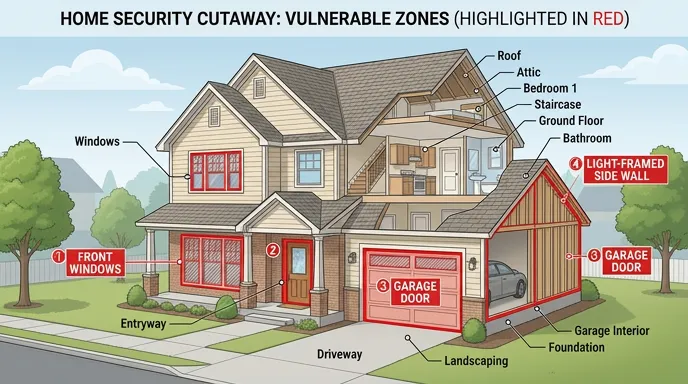
Which Parts of a House Are Most Vulnerable?
Gunfire damage depends on construction, angle, and ammunition, but some parts fail first in most homes:
| Building element | Typical residential weakness | Why it matters |
|---|---|---|
| Windows and glass doors | Standard annealed or tempered glass | Largest weak surface; often faces streets or yards |
| Exterior doors and frames | Hollow cores, short screws, weak strike plates | Common entry path; frame failure defeats a heavy door |
| Exterior walls (light frame) | Wood or metal studs with siding and drywall | Multiple layers may still fail against common handgun rounds |
| Interior walls | Single-layer drywall both sides | Offers almost no ballistic value |
| Garage doors | Thin steel or composite panels | Large, often unreinforced opening |
Brick, concrete block, and poured concrete perform better than wood frame at some thicknesses, but they are not automatically enough for every caliber. Mass helps, yet thickness, reinforcement, and hit location still matter.
How to Bulletproof Your House Without Hardening Everything
Full-house bulletproofing is rarely practical. A smarter approach is tiered hardening:
- Define the goal: Delay entry, protect sleeping areas, or resist stray fire from a specific direction.
- Map exposure: Which walls and windows face the street, alley, or known risk direction?
- Harden the safe room first: One well-built room beats scattered partial upgrades.
- Upgrade openings next: Doors and glazing fail before most wall assemblies in real incidents.
- Add wall protection where people shelter: Behind the bed, along the safe room perimeter, or on the ground-floor hallway.
This is how most homeowners who seriously bulletproof your home without a new build actually proceed: one room, one wall line, one side of the house.
How to Bulletproof a Wall: What Actually Works
When people search how to bulletproof a wall, they often picture stacking random materials. Effective wall hardening is an assembly: layers, fastening, and continuity around outlets and corners.
Options that can work when properly specified and installed:
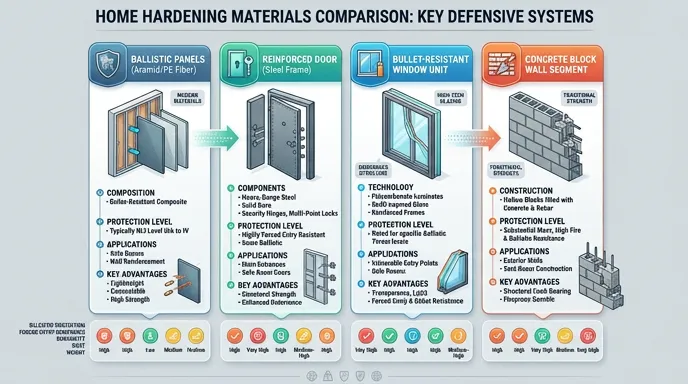
- Factory ballistic panels rated to a defined UL 752 level, mounted to studs with manufacturer fastening patterns
- Poured concrete or reinforced masonry at sufficient thickness for the threat level (professional assessment recommended)
- Layered wood and steel combinations in custom assemblies, usually engineered rather than guessed
- Sand-filled structures for temporary barriers; heavy and often impractical for permanent interior walls
What usually fails as a standalone plan:
- Extra drywall layers alone
- Bookshelves packed with paper (some delay, inconsistent results)
- Assuming exterior brick veneer equals a full masonry wall
- Panels installed with gaps at seams, unprotected electrical boxes, or no edge support
Any wall upgrade that adds significant weight needs a look at floor joists, foundations, and permit requirements.
How to Bulletproof Windows and Glass Openings
Windows are the hardest part of bulletproofing a house because you need transparency, structure, and a rated frame system together.
Rated bullet-resistant glazing is the primary permanent solution. It comes in laminated combinations tested to specific levels. The frame, anchoring, and installation matter as much as the glass. A bullet-resistant pane in a standard aluminum window shop frame may not perform as tested.
Security window film can reduce shattering and spall hazards in some scenarios. It does not turn standard glass into ballistic glazing. Use film for fragment control or forced-entry delay, not as a substitute for a UL 752 assembly when bullet resistance is the goal.
Secondary barriers such as interior ballistic shutters or hinged panels trade convenience for protection. They can work in safe rooms where you accept that windows are covered during a threat.
How to Bulletproof Doors and Door Frames
A heavy door on a weak frame still fails. For entry hardening, think in systems:
- Door leaf: Solid core wood, steel, or rated bullet-resistant door assemblies
- Frame: Steel reinforcement or purpose-built ballistic frames anchored into the wall structure
- Hardware: Long screws into framing, heavy hinges, high-quality deadbolts, and reinforced strike plates
- Side lights and glass inserts: Often the weak point; replace with rated glazing or eliminate them on hardened doors
Interior doors can be upgraded faster and cheaper than exterior doors, which makes them a common first step for safe room plans.
What Materials Resist Bullets Best, and What They Do Not Do
| Material or approach | What it can do | What it cannot do |
|---|---|---|
| UL 752 rated panels and glazing | Defined resistance to specified threats when installed correctly | Stop every caliber or unlimited repeated hits |
| Poured concrete (thick) | Good mass-based resistance at adequate thickness | Work at any thickness against all rifle threats |
| Concrete block or brick | Better than wood frame at many handgun threats | Guarantee protection without thickness and fill considerations |
| Sandbags (temporary) | Emergency barrier mass | Replace engineered safe room construction long term |
| Security film on standard glass | Hold fragments, some delay | Equal rated ballistic glazing |
Materials only perform within the threat level they were tested for. Moving from handgun protection to rifle protection usually means thicker assemblies, heavier weight, and much higher cost.
Safe Room vs Whole-House Hardening
A safe room (or shelter-in-place room) is a hardened space where household members gather during a threat. FEMA publishes guidance on residential safe rooms, often focused on tornado and wind events, but the same planning ideas apply to security hardening: structural attachment, ventilation, communications, and reliable egress when safe.
Safe room advantages:
- Concentrates budget on one high-value space
- Easier to engineer and inspect
- Supports a clear family plan: go to the room, lock in, call 911
Whole-house hardening may make sense for new construction or rare high-risk situations. For most existing homes, it is cost-prohibitive and may conflict with code, weight limits, and fire egress rules.
Many families combine a hardened safe room with modest upgrades elsewhere: better exterior locks, exterior lighting, and camera coverage. Those steps improve overall security even though they are not ballistic upgrades.
How Much Does Bulletproofing a House Cost?
Costs vary widely by region, threat level, and scope. These ranges are rough planning figures, not quotes:
| Upgrade type | Typical scope | Ballpark cost range |
|---|---|---|
| Door and frame reinforcement (non-ballistic) | Solid door, long screws, strike plate, basic frame work | Hundreds to low thousands USD |
| Rated bullet-resistant door assembly | Door, frame, hardware, professional install | Several thousand USD and up |
| Ballistic window or sliding unit | One opening, rated glazing and frame | Thousands to tens of thousands USD per opening |
| Ballistic wall panels in one room | Four walls, proper fastening, trim and penetrations sealed | Thousands to tens of thousands USD |
| Engineered safe room (new or retrofit) | Design, materials, HVAC, comms, inspection | Tens of thousands USD and up |
Always get written specifications that cite test levels (for example UL 752 Level 3) rather than vague "bulletproof" labels.
DIY Upgrades vs Professional Installation
Some low-risk security tasks suit careful DIY work: longer hinge screws, upgraded deadbolts, improved lighting, and landscaping that removes hiding spots.
Call licensed professionals when work involves:
- Structural loads from heavy panels or masonry
- Replacing exterior glazing with rated assemblies
- Electrical, HVAC, or fire egress changes in a safe room
- Permits for exterior modifications
Ballistic products often require factory-certified installers to maintain warranty and expected performance. Improper DIY installation is a common reason hardened upgrades fail in real use.
What Standards Should Products Meet?
For materials and assemblies marketed for gunfire resistance, look for documented compliance with recognized test methods. UL 752 is the standard most often cited for bullet-resisting doors, glazing, and panels in building applications. Understand the level number and which ammunition it covers.
NIJ ballistic material standards are helpful background when reading product literature, especially if you already know body armor ratings. Do not assume an NIJ armor rating applies directly to a window or wall panel without a specific product test report.
For glazing terminology, industry documents from organizations such as the National Glass Association clarify the difference between security glazing, forced-entry resistance, and true ballistic assemblies.
Common Mistakes That Reduce Protection
- Trusting "bullet proof house" marketing without level ratings or install details
- Hardening a door but leaving untreated glass inches away
- Installing ballistic panels with unsealed cuts for outlets and pipes
- Blocking bedroom windows so they no longer serve as fire escape routes
- Adding sandbags or concrete on upper floors without load calculations
- Assuming a single layer of brick veneer stops rifle fire
- Using security film and believing the home is now bullet resistant
Protection is only as strong as the weakest linked component in the chain around the space you are trying to defend.
When a Home Retrofit Is Not the Right Answer
Ballistic hardening is not always the best use of resources. Consider other steps first when:
- The threat is ongoing and credible (law enforcement and relocation may matter more than drywall upgrades)
- You rent and cannot modify structure or glazing
- Your budget allows only cosmetic changes that do not meet a defined standard
- Local codes or HOA rules block the needed exterior work
Community resources, threat assessment professionals, and emergency planning may deliver more risk reduction than partial, untested hardening.
Emergency Planning If Gunfire Is a Real Risk
Construction upgrades support a plan. They do not replace one. If gunfire is a realistic concern in your area or situation, build habits alongside any physical hardening:
- Shelter protocol: Which room, which wall, how children and pets move there
- Communications: Charged phones, landline backup if available, clear 911 language
- Medical readiness: Know that gunshot wounds require emergency care. Call 911. Apply direct pressure with clean cloth if trained to do so. Do not expect home hardening to prevent all injury.
- Aftercare awareness: Even minor wounds need professional evaluation due to contamination and internal damage risk
If someone is shot, call 911 immediately. Watch for heavy bleeding, trouble breathing, confusion, or worsening pain. Follow dispatcher instructions until help arrives.
Maintenance, Inspection, and Replacement Intervals
Ballistic assemblies degrade with impact, UV exposure, delamination, rust on frames, and building movement. Schedule:
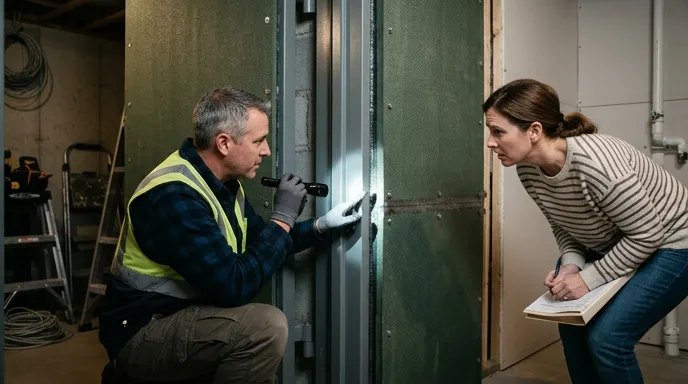
- Annual visual inspection of glazing, frames, door edges, and panel seams
- Hardware tightening and hinge checks on reinforced doors
- Replacement per manufacturer service life for laminated glazing and panels
- Re-evaluation after any known impact, break-in attempt, or structural renovation
Keep test certificates, install records, and warranty documents with your home papers. Future owners and inspectors may need them.
References
- U.S. Department of Justice: NIJ Standard for Ballistic Resistant Protective Materials
- MedlinePlus: Gunshot Wounds Aftercare
- Maryland Emergency Management: FEMA Safe Room Construction Guidance
- FEMA Publication P-320 (Montague County)
- PubMed Central: Gunshot Wounds Ballistics, Pathology, and Treatment
- PubMed Central: Gunshot Wounds as a Public Health Issue
- Federal Alliance for Safe Homes: Tornado Safe Rooms
- Intertek: UL 752 Bullet-Resisting Equipment Standard
- National Glass Association: FB43-14 Security Glazing
- Goshen Health: Emergency Care for Gunshot Wounds