Alternative Heat Sources Without Electricity: Safe Ways to Heat Your Home During a Power Outage
Practical, safety-first ways to stay warm when the furnace or grid fails: what works indoors, what only helps you feel warmer, and what can kill through fire or carbon monoxide.

Important: This article is general preparedness information, not professional HVAC, medical, or fire-code advice. Heating choices affect fire risk, carbon monoxide exposure, and indoor air quality. When in doubt, follow manufacturer instructions, local codes, and guidance from qualified installers or emergency officials.
When winter storms knock out power, the question is rarely abstract. You need to know how to heat a house without electricity, which options actually add usable warmth, and which popular shortcuts create fire or carbon monoxide risk within hours. This guide separates alternative heat sources from heat retention tricks, ranks indoor-safe choices, and explains what to do in the first minutes after the lights go out.
What Counts as an Alternative Heat Source Without Electricity?
An alternative heat source is equipment or fuel that produces heat without relying on the electrical grid. That includes wood stoves, fireplaces, pellet stoves, vented propane or kerosene heaters rated for indoor use, and backup generators that power furnace blowers or circuit panels. It does not include candles, tea lights, or improvised tin-can heaters as primary room heat. Those produce tiny amounts of warmth compared with the fire and oxygen risks they add.
Many searches mix two different goals:
Heating the room: combustion appliances, stored solar gain, or a generator restoring a furnace fan.
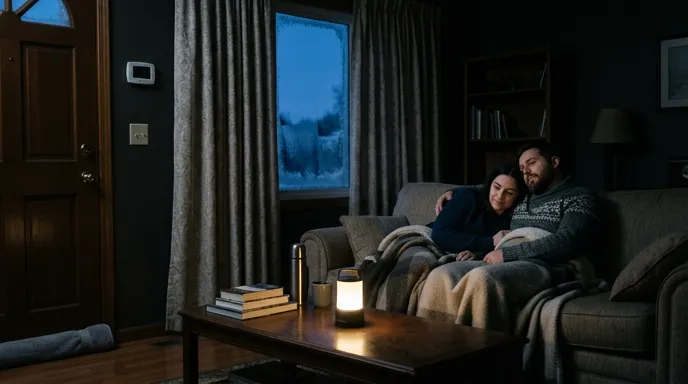
Keeping the person warm: layered clothing, hats, sleeping bags, hot water bottles, and closing off unused space.
Both matter. Confusing them leads people to run dangerous combustion indoors because they feel cold, even when the room cannot be safely heated that way.
How to Heat a House Without Electricity, Start With Heat Retention
Before you light anything, shrink the space you are trying to warm and slow heat leaving the building.
Pick one room with the fewest exterior walls and a door you can close.
Block drafts at the bottom of doors with towels or draft snakes.
Close curtains or blinds at night; open south-facing windows briefly for passive solar gain on sunny cold days.
Hang blankets over windows if curtains are thin.
Layer clothing starting with a thin base layer, then fleece or wool, then a wind-blocking outer layer if you move between rooms.
Use sleeping bags or wool blankets for seated rest; body heat in a small group warms faster than heating empty square footage.
These steps are often the cheapest way to heat a room without electricity in the first hour because they cost nothing but attention. They do not replace a safe heat source for multi-day outages in deep cold, but they buy time while you assess options.
How to Heat a Home Without a Furnace
If your central furnace is broken, fuel is out, or you never had ducted heat, you are effectively heating room by room. Realistic paths include:
A code-compliant wood stove or fireplace insert with a maintained chimney.
A pellet stove if you have dry pellets and either manual start capability or backup power for the auger and fan (many models need electricity for controls).
A vented indoor-rated propane or kerosene heater with fuel stored safely outside living space.
A generator sized and wired to run furnace blowers or a small space heater on a dedicated circuit, always operated outdoors away from openings.
Portable electric space heaters are not alternative heat sources when the grid is down unless you have a properly placed generator or battery system. Plan for combustion or passive retention instead.
Does Gas Heat Work Without Electricity?
Often partially, not fully. Many gas furnaces need electricity for the thermostat, ignition, and blower. Without power, the burner may not start or heated air may not move through ducts. Some older gravity furnaces or wall heaters with standing pilots behave differently, but you should verify with your manual rather than guessing.
Gas fireplaces vary widely:
Vented units may produce radiant warmth even when blowers are off, but output drops and room distribution suffers.
Blower-dependent inserts need power for meaningful whole-room effect.
Direct-vent or sealed units still require you to confirm flue and clearance rules during extended use.
A generator connected through a transfer switch is the usual way to restore gas furnace function during an outage. Extension cords draped through windows to random appliances create fire and CO paths. Treat gas heat as fuel plus airflow plus controls, not magic warmth from the pipe alone.
Best Way to Heat One Room Without Power
For most households the safest effective pattern is:
Seal and occupy one interior room.
Use the best installed combustion source you already have (wood stove, fireplace, vented heater), not a new improvised device.
Run a battery carbon monoxide alarm in the room (fresh batteries tested before winter).
Keep three feet of clearance around any heater or stove, per fire safety guidance.
Recharge or swap lanterns and radios rather than using open flame for light near bedding.
If you have no safe combustion option, the best way to heat one room without power may be body heat plus insulation combined with relocating to a warming center before indoor temperatures become unsafe for infants, older adults, or anyone with respiratory or cardiac conditions.
Wood Stoves and Fireplaces: What Works and What Does Not
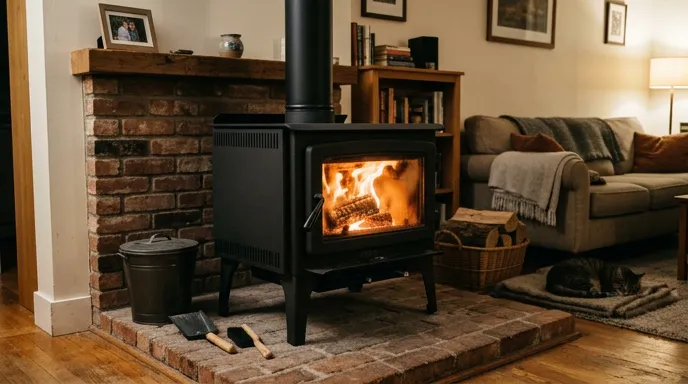
Wood heat is among the most reliable non electric heat sources when equipment is installed to code and chimneys are cleaned. Advantages include high output and fuel you may already store. Risks include chimney fires from creosote, oxygen use, sparks, and burns.
Option Typical role during outage Key limits EPA-certified wood stove Primary room or small home heat Needs dry fuel, clearance, chimney maintenance Open fireplace Radiant warmth in immediate zone Most heat up the flue; not efficient whole-house heat Fireplace insert Better efficiency than open hearth Still requires venting and ash handling Temporary stove in fireplace throat Emergency workaround in some setups Must match flue size and clearances; not a casual DIY project Pellet stove Steady automated burn Often needs electricity for feed and fans
Never burn trash, pressure-treated wood, or unknown construction lumber. Keep a metal ash bucket with a tight lid and store ashes outside away from combustibles.
Propane Heaters and Kerosene Heaters: Indoor Safety Rules
Vented propane and kerosene heaters can be legitimate heat sources without electricity when rated for indoor use, fueled correctly, and vented per instructions. Unvented or "vent-free" combustion heaters remain controversial. Federal efficiency guidance notes that unvented combustion heaters are not recommended for routine indoor use because they release water vapor, nitrogen dioxide, and carbon monoxide into living space.
If you use any combustion heater indoors:
Read the manufacturer label for indoor approval and required square footage.
Provide ventilation exactly as specified, not improvised gaps.
Store fuel outside living areas, upright, away from ignition sources.
Refuel only when the unit is cool, outdoors or in well-ventilated space per label.
Never sleep with an unattended open-flame heater unless the manual explicitly allows it (most do not).
Catalytic and radiant kerosene models appear often in preparedness lists. Treat them as serious appliances, not camping toys. One alarm on the ceiling is not optional.
How to Heat a House Without Central Heating
Homes without ducts rely on the same hierarchy: retention first, then safe localized combustion, then relocation. Baseboard electric heat obviously fails when power is out. Hydronic boilers may circulate some warmth by gravity in older systems, but many modern pumps need electricity. Radiant floors tied to on-demand gas may also stall without power to controls and pumps.
Practical tactics include:
Heating sleeping zones only at night instead of common areas.
Using doorway curtains or temporary plastic sheeting on interior door frames to segment space (ensure combustion rooms still vent).
Moving daytime activity to the room with the stove or sun exposure.
Draining or protecting pipes in unused wings if temperatures will drop below freezing (see your local extension guidance for pipe freeze thresholds).
Cheapest Way to Heat a Room Without Electricity: What Is Actually Worth Using
Cost rankings depend on whether you measure first-hour spend or season-long investment.
Method Upfront cost Operating cost Indoor safety (general) Layering, blankets, one-room strategy Low if supplies exist None High when combined with CO monitoring Existing wood stove or fireplace Already sunk Fuel plus chimney maintenance Moderate with maintenance Vented propane heater plus fuel Moderate Fuel ongoing Moderate with ventilation and alarms Generator plus furnace circuit High Fuel ongoing Moderate outdoors only for generator Candles or DIY tin heaters Very low Low Poor; not recommended
The cheapest option that is also responsible is usually closing one room and adding clothing. The cheapest option that adds real BTUs safely is whatever compliant device you already own and maintain.
Ways to Heat Without Electricity That Are Not Safe Indoors
Some methods circulate on social media after every storm. Avoid them as heating plans:
Gas kitchen ovens or stovetops left on for warmth (CO and fire risk).
Charcoal grills, hibachi, or fire pits brought inside garages or basements.
Camp stoves without outdoor-grade ventilation.
Portable generators in garages, porches, or near windows.
Candle clusters or flower-pot "heaters" marketed as room heaters.
Combustion without working CO alarms, especially while sleeping.
These methods can produce lethal carbon monoxide within minutes or start fires when bedding, pets, or children contact hot surfaces. They are not acceptable substitutes for a warming center when safe heat is unavailable.
How to Keep Your House Warm Without Electricity Overnight
Nighttime is when CO poisoning and fire deaths spike because people sleep through early symptoms. Plan before dark:
Warm the occupied room while you are awake and can monitor equipment.
Pre-warm sleeping bags or beds with hot water bottles filled from a safely heated kettle.
Wear a thin hat and socks; extremities lose heat fast.
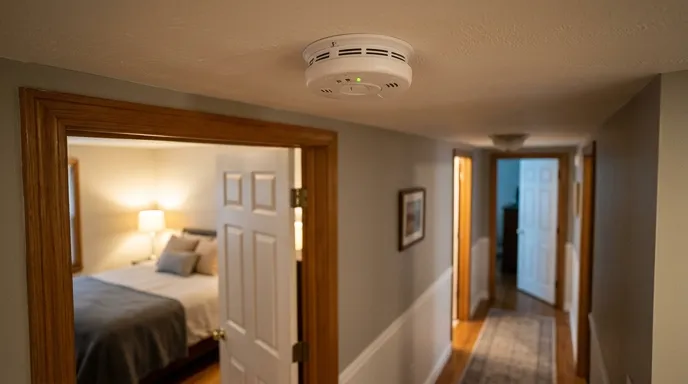
Keep CO and smoke alarms on battery backup in sleeping areas.
If using a wood stove, bank coals per manufacturer guidance rather than overloading fuel.
Set a phone alarm to check stoves or heaters if you must run them overnight (many manuals discourage unattended operation).
If indoor temperature cannot stay above roughly 55 to 60 degrees Fahrenheit in occupied rooms and vulnerable people are present, strongly consider a warming center or hotel rather than pushing unsafe heaters through the night.
Carbon Monoxide and Ventilation Rules You Should Not Skip
Carbon monoxide is odorless and colorless. Early symptoms include headache, dizziness, weakness, upset stomach, vomiting, chest pain, and confusion. CO symptoms can mimic flu or fatigue, which makes nighttime use especially dangerous.
Minimum rules:
Install CO alarms on every level and outside sleeping areas; test monthly in heating season.
Never ignore an alarm; ventilate and exit until the source is identified.
Keep combustion appliances vented and maintained; blocked flues are a common CO source.
Do not use generators, grills, or camp stoves inside attached garages or near open windows.
Seek urgent medical care if anyone shows neurological or chest symptoms during heating use.
Good ventilation does not mean freezing the room with gale-force drafts. It means following appliance-specific intake and exhaust requirements so fresh air replaces what combustion consumes.
When to Leave Home Instead of Trying to Heat It
Staying put is not always the resilient choice. Leave or call for help when:
CO or smoke alarms sound and you cannot identify a safe source.
Anyone shows confusion, fainting, or chest pain.
You have infants, frail older adults, or medically vulnerable people and no safe heat source.
Indoor plumbing is freezing and damage risk exceeds comfort concerns.
Official guidance opens warming centers or orders evacuation.
Your only heat options are on the "not safe indoors" list above.
Community warming centers exist precisely because residential heating fails during ice storms and grid overload events. Using them is preparedness, not defeat.
How to Prepare Before the Next Outage
Service chimneys and stoves annually; stock a modest supply of dry wood or pellets.
Test generators outdoors; confirm transfer switches with a qualified electrician.
Store propane or kerosene with stable containers and clear labeling.
Keep battery lanterns, spare alarm batteries, and wool blankets in known locations.
Identify your nearest warming center route before storms are forecast.
Insulate and air-seal when budgets allow; outages are easier in tight envelopes.
Print or save manufacturer manuals for furnace, fireplace, and portable heaters offline.
Preparation turns panic into a checklist. The goal is not to heroically endure unsafe cold; it is to keep people warm enough to think clearly until power or professional help returns.
How to Heat a House Without a Furnace in a Rental
Renters face lease limits and landlord-owned systems. Practical steps:
Ask landlords how gas heat behaves during outages and whether blowers have backup power.
Use retention tactics you can remove later (draft snakes, removable window film).
Avoid installing unapproved stoves or ventless heaters that violate lease or insurance.
Clarify whether portable propane devices are permitted on balconies or patios.
Keep renters insurance aware of heating gear you store (fuel quantities may affect coverage).
When building systems cannot be modified, personal warmth layers plus community shelter may outperform risky contraband heat sources.
What to Do If Your Main Heating System Depends on Power
Modern forced-air gas, heat pumps, and oil systems often share one weakness: electrical controls and distribution. Your outage plan should name:
Which circuit feeds the furnace or air handler.
Whether a portable generator can safely energize that circuit via transfer equipment.
How long fuel lasts at partial load.
Fallback room and retention supplies if generator fuel runs out.
Heat pumps lose capacity in extreme cold even when powered. During blackouts they offer no heat at all. Do not assume yesterday's HVAC bill predicts outage behavior.
References
American Red Cross: How to Heat Your Home Safely as Cold Weather Sets In
American Red Cross: Heat Your Home Safely During Cold Weather
Minnesota Department of Health: Carbon Monoxide Poisoning in Your Home
Virginia Department of Health: Winter Weather Safety and Power Outages
Consumer Reports: Ways to Stay Warm During a Winter Power Outage