How to Heat Water Without Electricity: Safe Methods for Home and Emergency Use
Practical, safety-first ways to heat water when the grid is down: from a kettle on a camp stove to solar and code-aware DIY options.

Safety disclaimer: This article is general preparedness and household guidance, not plumbing, medical, or legal advice. Heating water and boiling for drinking involve scald, fire, carbon monoxide, and pressure hazards. When in doubt, use licensed professionals for permanent installations and follow local boil-water advisories.
When the power goes out, hot water for dishes, hygiene, and safe drinking stops feeling optional. Whether you search for how to heat water without electricity, a water heater without electricity, or a diy water heater, the goal is the same: reliable heat without the grid.
This guide goes beyond a single wood-stove coil build. You will see everyday methods first, then deeper options like solar batch heaters, thermosiphon DIY layouts, and off-grid tankless units, with safety rules that matter for families, renters, and homeowners.
Why Knowing How to Heat Water Without Electricity Matters
Hot water supports hygiene, food prep, baby bottle warming (when safe water is confirmed), and comfort during cold-weather outages. In many regions, boil-water advisories follow storms or pipe breaks. Heating water is often the first step toward making it microbiologically safer, even though boiling does not remove chemical contaminants.
Outages also expose a gap in planning: people stock food and flashlights but forget that electric tank heaters and on-demand units stop working immediately. A few low-cost tools (camp stove, kettle, solar shower bag) cover most short outages. Longer events may need fuel planning, ventilation checks, and realistic expectations about volume.
Basic Safety Rules for Any Off-Grid Water Heating
Before choosing a method, apply these rules every time:
- Scald prevention: Water above 120°F (49°C) at fixtures can cause serious burns in seconds, especially for children and older adults. Treat DIY output as hotter than you expect until measured.
- Never pressurize improvised systems without code-compliant pressure-relief and venting designed by a qualified plumber.
- Combustion only where vented: Charcoal, gasoline, or unvented propane indoors can cause carbon monoxide poisoning. Use approved appliances per manufacturer instructions.
- Stable setup: Boiling pots tip easily on uneven ground. Keep children and pets clear of flames and steam.
- Know your water source: Heating does not remove lead, fuel spills, or many chemicals. Follow official boil-water or do-not-use orders.
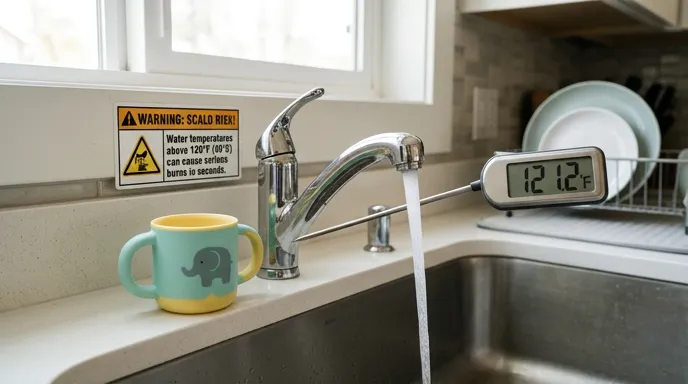
How Hot Water Is Defined: Comfort vs Scald Risk
Comfort washing often feels fine around 105°F to 110°F (40°C to 43°C). Many plumbing codes and public health sources cite 120°F (49°C) at fixtures as a scald-safe upper target for households, often achieved with mixing valves on stored hot water.
DIY coils, open pots, and camp heaters frequently exceed that temperature. That is acceptable for dish sanitizing or filling a basin you will cool before use, but dangerous if piped directly to a shower head without tempering. Always test with a thermometer when children, elders, or anyone with reduced sensation will use the water.
Simplest Ways to Heat Water Without Electricity
Start with methods that need minimal skill and no permanent plumbing changes:
| Method | Typical volume | Fuel / input | Best for | Main risk |
|---|---|---|---|---|
| Stovetop kettle or pot | 1 to 4 quarts | Gas range (if gas valve still works), camp stove, grill side burner | Drinks, small hygiene tasks | Tip-over, indoor CO if wrong fuel indoors |
| Camp stove + pot | 2 to 8 quarts | Propane or butane canister | Outage cooking and hot rinse water | Indoor use without ventilation |
| Solar shower bag | 2 to 5 gallons | Sunlight | Warm outdoor rinse, camping | Legionella growth if stored warm too long; not drinking water |
| Wood stove top (kettle) | 1 to 3 quarts | Seasoned firewood | Homes with existing wood heat | Surface burns, ash contamination |
| DIY coil on wood stove | Continuous flow (variable) | Firewood | Skilled DIY with code awareness | Pressure, scald, unlisted materials |
For most households, a homemade water heater is not the first step. A sturdy pot and a safe heat source cover the first 48 hours of an outage more reliably than a rushed plumbing project.
How to Heat Water on a Gas or Camp Stove
If your home has a standing-pilot or electronic-ignition gas range that still operates during an outage (many modern ranges do not), a filled kettle is the fastest path. For everyone else, a do it yourself water heater setup often begins as a diy hot water station outdoors: level table, wind screen, propane camp stove, and a wide-base pot.
- Set up on concrete or gravel, away from siding, eaves, and dry leaves.
- Use a lid to reach boil faster and save fuel.
- Pour carefully; steam burns are common when lifting lids.
- Let canisters cool before swapping; check connections for leaks with soapy water.
Batch heating works for laundry rinse water or filling a basin for sponge baths. It does not replace a whole-house tank unless you accept manual transfer and strict scald controls.
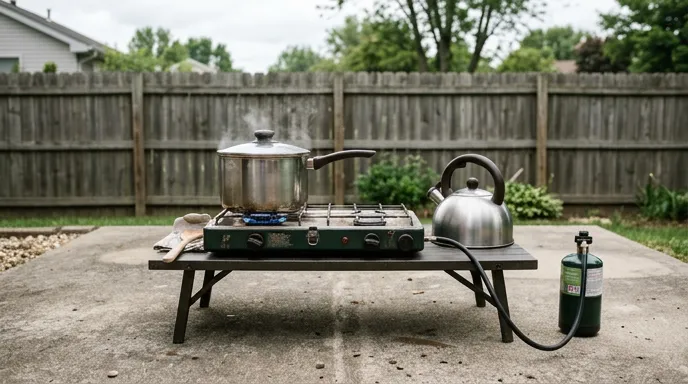
Using Wood Stoves and Fireplaces for Hot Water
Homes with an EPA-certified wood stove or insert can heat water on the cook surface with cast iron cookware. That is the lowest-risk wood heat approach for most readers.
Side-mounted diy water heater coils wrap copper tubing around the stove body so cold water enters, picks up heat, and exits to a tap. Thermosiphon designs rely on hot water rising and cool water sinking, reducing the need for a pump when layout is correct. These systems appear in homestead forums and older publications, but they are not a substitute for inspected, code-compliant domestic water heaters unless reviewed by a licensed plumber.
Critical points for coil builds:
- Use materials rated for potable water where water will contact them.
- Never cap a heated coil without a properly sized pressure-relief path.
- Insulate hot lines to reduce burns; label fixtures as high temperature.
- Plan for freeze protection if the stove is seasonal.
Solar-Powered Water Heating for Home and Outdoors
Passive solar works when sun, space, and season align. Common approaches:
- Batch heaters: Dark tank or coil in an insulated box with glazing. Good for preheating garden or wash water.
- Evacuated tubes or flat plates: Whole-house systems with pumps (often needing backup power) or thermosiphon loops. Higher cost, best for sunny climates and permanent installs.
- Solar shower bags: Cheap, portable, limited volume. Hang in direct sun; use within a day and do not use for drinking.
Solar is weak as a year-round sole source in cloudy or northern climates, but it reduces fuel use when paired with a stove or small tankless unit.
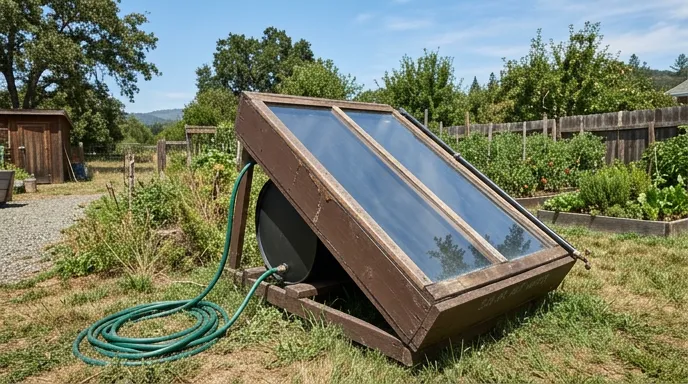
DIY Water Heater Ideas: Coils, Tanks, and Thermosiphon
Readers searching do it yourself water heater plans usually want continuous flow without electricity. Typical components include a heat source (wood stove), copper or stainless coil, storage drum or small tank, isolation valves, and a safe discharge path.
A simplified decision path:
- Need < 5 gallons once per day? Use pot or camp stove; skip plumbing.
- Have daily wood heat already? Consider surface kettle first; coil only after professional review.
- Want whole-house comfort? Budget for listed off-grid tankless or solar with professional install.
Documented builds often omit mixing valves, backflow prevention, and seismic strapping required in many jurisdictions. Treat internet photos as inspiration, not approval.
Off-Grid Tankless and Propane Water Heaters
Listed propane tankless units designed for off-grid cabins provide on-demand hot water with proper venting and gas supply. Some require minimal 12V power for ignition; others use standing pilot or battery ignition. Compare:
- Venting type (direct vent vs outdoor installation)
- Freeze protection for cold climates
- Flow rate vs number of fixtures
- Fuel storage and local code for propane tanks
These units cost more upfront than a coil project but carry listings, manuals, and service parts that DIY coils lack.
Turning Cold Water Into Safe Drinking Water (Boiling Guidance)
Heating for comfort is not the same as disinfecting for consumption. Health agencies commonly recommend a rolling boil for one minute (three minutes above about 6,500 feet elevation) to kill many pathogens after contamination events.
Boiling does not remove chemical pollutants, heavy metals, or fuel residues. If officials issue a do-not-use order, boiling alone may be insufficient. Store cooled boiled water in clean, covered containers and avoid recontamination from unwashed hands or dippers.
During boil-water advisories, use boiled or bottled water for drinking, brushing teeth, preparing baby formula, and washing produce that will be eaten raw.
Common Mistakes and Red Flags in DIY Water-Heating Systems
- Connecting a coil directly to municipal pressure without relief valves
- Using unapproved solder, hoses, or recycled containers not rated for hot potable water
- Running unvented combustion indoors to "save time"
- Assuming clear water is safe without checking local advisories
- Scaling up a camping setup to serve multiple bathrooms without flow or temperature control
- Ignoring sediment and scale that reduce coil efficiency and clog valves
If steam hammer, bulging hose, or unexplained pressure spikes appear, shut down the heat source and vent safely. Do not continue operating a suspect system.
When to Call a Professional Instead of DIY
Contact a licensed plumber or your local building department when:
- You tie any heater into household plumbing permanently
- You need mixing valves, backflow preventers, or permit inspections
- Medical or infant care requires reliable temperature control
- You smell gas, see soot backdraft, or CO alarms activate
- You are unsure whether materials are potable-rated or listed for the application
Electricians may also be needed if you add pumps, controls, or hybrid systems that use backup power.
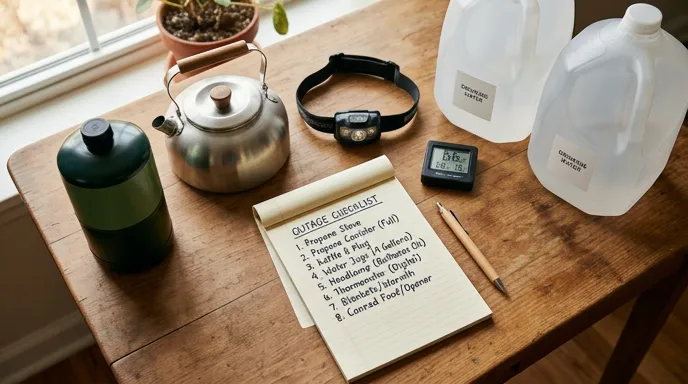
Step-by-Step Checklist: Choosing the Right Method for Your Home
- Define the job: drinking disinfection, dish washing, bathing, or all three?
- Check advisories: boil-water or do-not-use orders from health authorities.
- Inventory heat sources: gas range, grill, camp stove, wood stove, sun exposure.
- Pick the lowest-risk method that meets volume needs for the next 24 to 72 hours.
- Measure temperature before skin contact; add cold mixing as needed.
- Ventilate all combustion outdoors or per appliance manual.
- Plan fuel (propane, wood, gas) for the outage duration.
- Escalate to listed equipment or pros if outage extends beyond temporary camp setups.
References
- Food and drinking water safety in an emergency - Canada.ca
- Get prepared for a power outage - Province of British Columbia
- Power Outages and Public Health
- Power outages and blackouts | ontario.ca
- Hot Water Tanks – Anti Scalding Valve (Ontario building code context)
- Boil Water Advisory - Association for Dental Safety
- How to Heat Water Without Electricity | WATER