Reduce Water Consumption: A Practical Home Guide for Everyday Savings
Practical ways to reduce water consumption at home with baseline usage numbers, room-by-room fixes, and safety limits for graywater and low-flow changes.

If your goal is to reduce water consumption at home, start with a clear picture of where water actually goes. Most U.S. households use far more water than they realize, and much of it leaves through leaks, long showers, thirsty landscaping, and old fixtures. The good news: you do not need extreme lifestyle changes or fear-driven hoarding to make a real dent in your bill and your community's supply.
This guide is for renters, homeowners, and suburban families who want practical skills, not panic. You will see baseline numbers from federal data, room-by-room fixes, a split between free habits and paid upgrades, and safety limits for graywater and rainwater. We also draw a bright line between conserving tap water and cutting the fluids your body needs to stay healthy.
How Much Water Does a Typical U.S. Home Use?
The U.S. Environmental Protection Agency (EPA) reports that the average family of four can use about 300 gallons per day at home. That figure includes indoor and outdoor use and varies widely by region, yard size, and fixture age. A desert suburb with a large lawn may double a compact city apartment. Knowing your baseline helps you set realistic targets instead of guessing.
Indoor use usually centers on bathrooms, laundry, and kitchen tasks. Outdoor use often dominates in warm months when irrigation runs. Splitting the two categories is the first step toward smart savings: fixing a dripping faucet helps every day, while swapping turf for mulch may matter more in July than in January.
| Where water goes (typical U.S. home) | Approximate share of indoor use | What drives the number |
|---|---|---|
| Toilet | About 24% | Flush volume, leaks at flapper, frequency |
| Shower and bath | About 20% | Flow rate, duration, number of users |
| Faucets | About 19% | Brushing teeth, dishes, hand washing |
| Clothes washer | About 17% | Load size, old vs high-efficiency machine |
| Leaks | About 12% | Toilet silent leaks, hose bibs, irrigation lines |
| Other ( dishwasher, drinking, etc.) | About 8% | Appliance efficiency, cooking, pets |
| Outdoor irrigation (when in use) | Often 30% or more of total annual use | Lawn area, climate, timer settings, overspray |
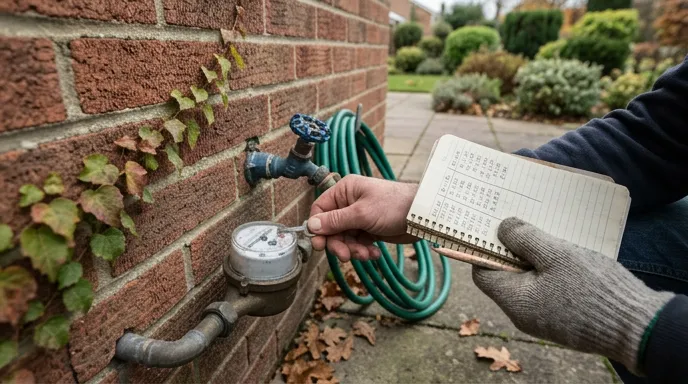
Check your utility bill for gallons per day or per month. Many water providers now show tiered rates that make heavy use expensive. If your household is well above regional averages, leaks and landscaping are the usual suspects worth checking first.
Indoor vs Outdoor Use: Where to Focus First
Indoor conservation pays off year-round and often requires only habit changes or inexpensive parts. Outdoor conservation can save the largest single share in arid states but may need landscaping investment. Match your effort to your climate: a Minnesota family might prioritize winter pipe leaks and efficient washers, while a Texas household may gain more from irrigation schedules and drought-tolerant plants.
When the pump or city pressure fails, stored drinking water matters more than whether you skipped one shower. Reducing routine waste builds margin so emergency storage lasts longer. Think of conservation as everyday resilience, not deprivation.
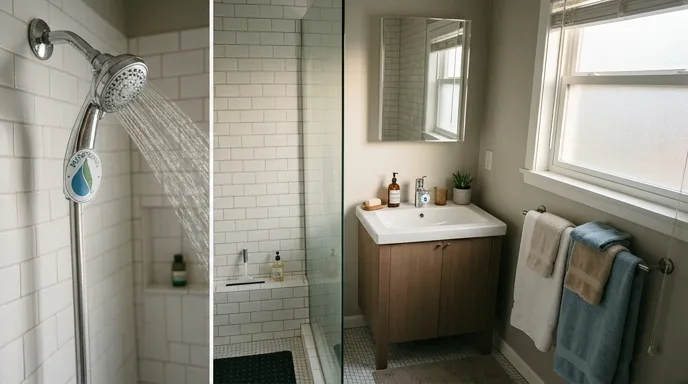
Bathroom: Biggest Indoor Wins
Bathrooms combine high flow rates with daily repetition, so small changes stack fast.
- Fix leaks immediately. A toilet that runs between flushes can waste hundreds of gallons per week. Put a few drops of food coloring in the tank; if color appears in the bowl without flushing, replace the flapper or call a plumber.
- Shorten showers with a timer. Cutting two minutes off a shower saves more water than skipping a glass of drinking water. Aim for five to seven minutes on weekdays if your household can manage it.
- Install low-flow showerheads and faucet aerators. EPA WaterSense labeled models use 2.0 gallons per minute or less for showers while keeping acceptable pressure when paired with a good aerator.
- Turn off the tap while brushing teeth or shaving. This free habit saves several gallons per person per day.
- Upgrade old toilets. Pre-1994 toilets often use 3.5 to 7 gallons per flush. Modern WaterSense toilets use 1.28 gallons or less. If replacement is not in the budget, a quality fill-valve adjustment or displacement device helps slightly, but a full upgrade pays back over time.
Renters can often swap showerheads and aerators without permanent changes; keep the original parts in a closet to reinstall at move-out. Document any fixture changes for your landlord if the lease requires it.
Kitchen: Efficiency Without Compromising Food Safety
Kitchen water use sits at the intersection of conservation and health. You should not reuse graywater on cutting boards or skip hand washing to save gallons.
- Run the dishwasher full. Modern Energy STAR dishwashers typically use less water than hand washing a full load of dishes, especially if you would leave the tap running to rinse.
- Scrape, do not pre-rinse endlessly. Most current detergents handle lightly soiled plates without a running faucet.
- Keep a pitcher of drinking water in the fridge instead of running the tap until it feels cold. That cuts waste without reducing hydration.
- Steam or use a lid when boiling vegetables; you use less water and less energy.
- Fix dripping kitchen faucets. One drip per second can waste more than 3,000 gallons per year according to EPA leak estimates.
When preparing for outages, fill clean containers for cooking and drinking separately from water you might use for flushing or cleaning. Label them. Food safety rules still apply: wash produce with potable water.
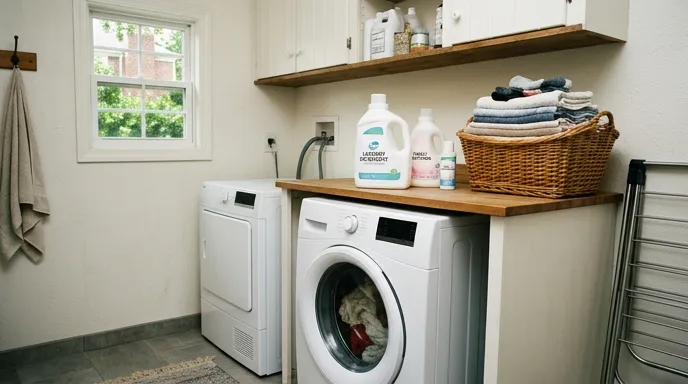
Laundry: Load Size and Machine Age Matter
Clothes washers are the second-largest indoor water user in many homes after toilets. Front-loading high-efficiency (HE) machines often use 15 to 30 gallons per load, while older top loaders may use 40 gallons or more.
- Wash full loads when possible, or use the machine's partial-load setting if available.
- Use the correct detergent for HE machines to avoid extra rinse cycles.
- Skip extra rinses unless someone in the home has a skin sensitivity that requires it.
- Wear items more than once when hygienically fine (jeans, outer layers) to reduce weekly loads.
- Plan replacement when repair costs approach the price of a WaterSense or Energy STAR certified washer; utility rebates may apply in your state.
Pair efficient washing with drought-aware landscaping if your region restricts outdoor watering during dry spells.
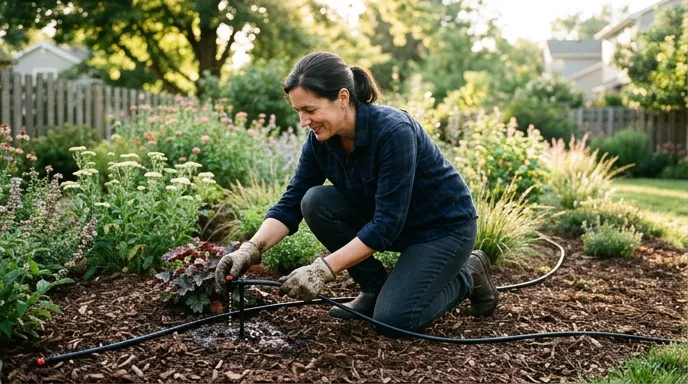
Lawn and Outdoor Use: Seasonal Savings
Outdoor irrigation can exceed all indoor use combined in summer. Suburban yards are not doomed to waste water, but they do need a plan.
- Water early or late to reduce evaporation. Many utilities recommend before 10 a.m. or after 6 p.m.
- Adjust sprinklers so spray hits plants, not driveways and sidewalks.
- Install a smart or rain-sensing controller if local codes allow; skip irrigation when rain is forecast.
- Choose drought-tolerant plants native or adapted to your USDA zone. Mulch beds to hold soil moisture.
- Reduce turf area where practical. Ground cover and gravel paths need little or no irrigation once established.
- Capture rain legally. Rain barrel rules vary by state and HOA; check local codes before installing.
Car washing at home can use 100 gallons or more if the hose runs continuously. Use a bucket and shutoff nozzle instead.
Behavioral Changes vs Fixture Upgrades
Not every savings step costs money. Behavioral changes (shorter showers, full loads, fixing leaks quickly) often deliver the fastest return. Fixture upgrades (toilets, showerheads, washers, irrigation controllers) cost more upfront but lock in savings for years and help renters and owners alike when appliances stay with the property.
EPA's WaterSense program labels products independently tested to use at least 20 percent less water than standard models while meeting performance criteria. Look for the label on toilets, showerheads, faucets, irrigation controllers, and some commercial gear. Energy STAR overlaps for dishwashers and clothes washers, covering both water and energy.
| Action | Typical effort | Approximate savings potential | Best for |
|---|---|---|---|
| Fix toilet and faucet leaks | Low; DIY or one plumber visit | High; leaks can be 10% or more of home use | Every household |
| Shorter showers, turn off tap while brushing | Free; habit change | Moderate per person; adds up in large families | Apartments and homes |
| WaterSense showerhead and aerators | Low cost; under one hour install | Moderate to high for daily shower users | Renters and owners |
| Replace pre-2000 toilet with WaterSense model | Moderate cost; half-day install | High; thousands of gallons per year | Homeowners; landlords on turnover |
| Upgrade to HE clothes washer | Higher cost; rebate may apply | High for families doing many loads weekly | Households with old top loaders |
| Smart irrigation controller and drip lines | Moderate to high; may need installer | Very high in warm, dry climates with large yards | Suburban homes with irrigation |
| Turf reduction and native landscaping | High upfront; long payoff | Very high in drought regions | Homeowners with HOA approval |
Start with a weekend leak audit and two free habit changes. Track one billing cycle. If gallons drop, reinvest the savings into one fixture upgrade rather than trying everything at once.
Graywater and Rainwater: Useful, but Not for Every Tap
Graywater is gently used water from sinks, showers, tubs, and laundry (not toilets). Rainwater is collected from roofs. Both can offset irrigation demand when handled correctly. Neither replaces treated drinking water for cooking, brushing teeth, or hydrating infants without proper filtration and code-compliant systems.
General safety guidelines:
- Never drink untreated graywater or roof runoff without a certified treatment system designed for potable use.
- Avoid graywater on edible crops that touch the soil directly (lettuce, carrots) unless your state code explicitly allows it and you follow distance rules. Fruit trees and ornamental beds are common approved uses in some jurisdictions.
- Use plant-friendly, low-sodium soaps if laundry graywater irrigates soil. Bleach-heavy loads should drain to sewer, not the garden.
- Store rainwater in covered barrels to limit mosquitoes; many counties require screens.
- Check state and local plumbing codes before rerouting drains. California, Arizona, Texas, and other states have detailed rules; HOAs may add restrictions.
When to call a licensed plumber: any permanent cross-connection between graywater and potable lines, whole-house reroutes, buried distribution without permit, or if you smell sewer gas or see backflow. DIY bucket-and-watering-can reuse from a shower warm-up catch is fine temporarily; hard plumbing deserves a pro.
Do Not Cut Drinking Water for Health
Water conservation targets waste, not hydration. Adults generally need adequate fluids daily for temperature regulation, kidney function, and cognition. Needs rise with heat, exercise, pregnancy, breastfeeding, fever, and many medications. Older adults may feel thirst less sharply and need reminders.
Confusing conservation with restriction is a common mistake in outdated listicles. Skipping glasses of water to "save the planet" saves negligible tap volume while increasing dehydration risk. University Hospitals and Cleveland Clinic both note that drinking excessive water is rare but real (hyponatremia), usually tied to endurance events or medical conditions, not normal household conservation.
Practical split:
- Reduce: long showers, running faucets, over-irrigation, ignored leaks, half-empty dishwasher cycles.
- Do not reduce: drinking water for household members, formula preparation, medical instructions, or pet bowls (unless a vet advises otherwise).
- Store for emergencies: follow Ready.gov guidance of about one gallon per person per day for drinking and hygiene during outages, separate from conservation habits.
If you feel dizzy, confused, or produce very dark urine while cutting fluids for any reason, stop and seek medical advice. Conservation articles are not medical advice.
Beyond Outdated "25 Tips" Lists
Many water articles published around 2014 repeat generic tips: bricks in toilet tanks, reusing pasta water on plants without noting soap risk, or one-size-fits-all rules that ignore plumbing and health. They often skip regional code and modern WaterSense products.
A current guide should include labeled product standards, leak math, indoor/outdoor splits, and clear graywater limits. Drought stress and groundwater depletion are also policy and infrastructure issues, but aggregate household savings still reduce peak demand on local treatment plants.
Recent Context: Drought, Rates, and Grid Stress
Between 2023 and 2026, western states continued stage-based drought restrictions, while eastern cities faced storm-driven failures that required boil notices. Water rates rose in many metros to fund pipe replacement. None of this requires fear; it does argue for habits that work in normal years and stressful ones.
Heat waves increase irrigation and cold-water demand. Lower baseline use keeps bills predictable and leaves more stored water for outages if you maintain emergency jugs. Follow official utility alerts during voluntary reduction calls.
FAQ: Reduce Water Consumption at Home
How much water should a family of four use per day?
EPA figures often cite roughly 300 gallons per day for a four-person household, but your meter is the truth. Compare year over year on your bill. Drops of 10 to 20 percent are realistic after leak fixes and habit changes without major remodels.
What is the fastest free way to reduce water consumption?
Fix running toilets and dripping faucets first, then shorten showers and turn off taps while brushing teeth. Those steps cost little or nothing and target the largest indoor waste categories.
Are low-flow fixtures worth it if water is cheap here?
Yes, if you pay sewer charges based on water use or expect rate increases. WaterSense products also cut hot water demand, which lowers gas or electric bills. Comfort improves once you choose a well-reviewed showerhead.
Can I use graywater on my vegetable garden?
Usually not on root crops or leafy greens that contact soil, and never without checking local plumbing code. Many households limit graywater to ornamental beds and trees. When in doubt, ask your county health or building department.
Does reducing water use mean drinking less water?
No. Conservation targets showers, leaks, irrigation, and appliance waste. Keep adequate drinking fluids for every household member unless a clinician gives different instructions.
When should I hire a plumber instead of DIY?
Call a pro for persistent toilet leaks after flapper replacement, any suspected potable line cross-connection, installing permitted graywater systems, water heater pressure issues, or if you are unsure how to shut off water safely during a repair.
References
- EPA WaterSense: Start Saving
- EPA WaterSense: Statistics and Facts
- California Department of Water Resources: Conservation Tips
- Washington State Department of Ecology: Water Conservation
- ENERGY STAR: Saving Water Helps Protect Our Nation's Water Supplies
- Texas State University Office of Sustainability: Water Conservation Strategies
- University Hospitals: Can You Drink Too Much Water?
- Cleveland Clinic: Water Intoxication