Disaster Preppers: A Practical Guide for Suburban and City Households
Learn what disaster preppers actually do, how to plan for local hazards in apartments and suburbs, build a right-sized 72-hour kit, and stay safe during outages without fear-driven hoarding.

When people search for disaster preppers, they usually want a calm answer: who prepares for emergencies in normal neighborhoods, and what do they actually do? This guide treats preparedness as household planning for real risks in apartments, suburbs, and cities. That means power loss, storms, heat, smoke, and supply delays that already affect millions of families each year.
You will start with hazards at your address, build a plan and kit that fit your space, and practice skills that matter more than gear lists. No fear marketing, no lone-wolf isolation. Just practical steps you can finish in weekends, not years.
What Are Disaster Preppers?
Disaster preppers are people who organize their households for likely disruptions before they happen. That usually means a written emergency plan, stored supplies sized to the family, official alert settings, and a few practiced skills such as first aid, shutoff valves, and safe cooking without power. Federal and Red Cross guidance has used this same frame for decades: plan, kit, stay informed.
Mainstream preppers look like your neighbors. They keep water in the pantry, copies of insurance papers in a folder, and a list of who to call if cell networks clog. Extreme survivalism is a different hobby. If your goal is to keep kids safe, meds reachable, and the lights on through a three-day outage, you are already in the right category.
Who This Guide Is For (and Who It Is Not)
This guide is for renters, HOA households, and suburban families with limited storage. It assumes you rely on grocery stores, pharmacies, and the grid most of the time, and you want a backup when those systems slow down. It covers pets, kids, older adults, and chronic health needs because real homes are not one-size-fits-all.
It is not for people seeking combat training, off-grid homestead design, or get-rich schemes in precious metals. It also will not tell you to ignore local officials during an evacuation. Preparedness works best alongside emergency management, not against it.
Start With Hazards, Not Headlines
Social media amplifies rare catastrophes. Your plan should start with local hazards: what your county emergency management office and NOAA actually warn about. A coastal suburb faces different priorities than a mountain town or a desert city. List what has happened within one county in the last generation, then rank by likelihood and impact.
| Region (examples) | Common priority hazards | Planning focus |
|---|---|---|
| Gulf and Atlantic coast | Hurricanes, storm surge, flooding | Evacuation routes, flood insurance, elevated storage |
| West and Southwest | Wildfire, drought, extreme heat | Air quality kits, defensible space, hydration plans |
| Midwest and Plains | Tornadoes, severe thunderstorms, winter ice | Shelter room, NOAA weather radio, vehicle kits |
| Northeast and Great Lakes | Nor'easters, blizzards, river ice jams | Heat backup, pipe freeze prevention, snow load on roofs |
| Urban cores nationwide | Grid failure, heat islands, civil unrest near events | Walkable supplies, transit-aware evacuation, mutual aid networks |
| Earthquake zones (West, New Madrid) | Shaking, gas leaks, bridge outages | Secure water heaters, shutoff tools, sturdy shoes by beds |
Sign up for local alert systems and know your zone names before a warning is issued. A hazard table beats a generic shopping list every time.
The Four Pillars Every Household Needs
Ready.gov and the American Red Cross organize preparedness into four pillars that work in any dwelling:
- Plan: Who does what, where you meet, how you reach an out-of-area contact.
- Kit: Water, food, meds, light, documents, and tools sized to your household for at least 72 hours.
- Alerts: Wireless emergency alerts, weather apps, and local government notification channels.
- Skills: CPR and first aid, how to turn off utilities, and how to cook safely when power fails.
Many listicles stop at gear. Phased planning matters more: week one is hazards and contacts, week two is water and meds, week three is practice. That order prevents panic buying and duplicate junk drawers.
The 72-Hour Kit: What to Stock and How Much
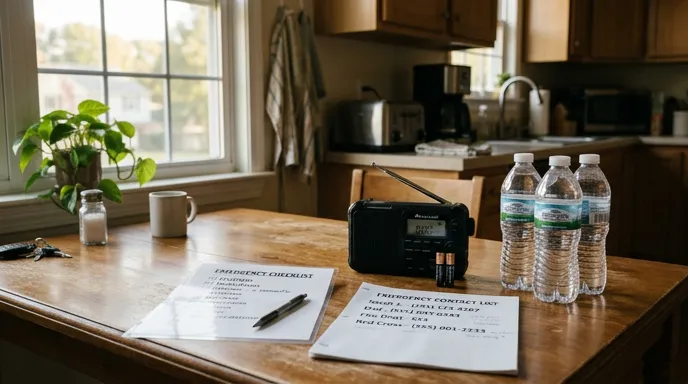
A 72-hour kit (sometimes called a go-bag for evacuation, or a stay-home kit for sheltering in place) bridges the gap until utilities and stores recover. Red Cross and Ready.gov guidance centers on about one gallon of water per person per day for drinking and hygiene. For a family of four, that is 12 gallons for three days, plus more if you have pets or medical needs.
Core categories:
- Water and filtration: Sealed jugs, collapsible containers, and a filter or purification tablets as backup.
- Food: Shelf-stable items you already eat; rotate on normal grocery cycles.
- Health: First aid kit, prescription copies, glasses, hearing aid batteries, hygiene supplies.
- Light and power: Flashlights, headlamps, spare batteries, hand-crank or battery radio.
- Documents: IDs, insurance, medical summaries in a waterproof pouch.
- Tools: Multi-tool, duct tape, work gloves, whistle, local maps.
- Comfort: Cash in small bills, phone chargers, comfort items for children.
Check expiration dates when you change clocks or at least twice a year. Gradual kit building beats one panic cart that expires in the garage.
Planning in Apartments, Suburbs, and HOAs
Space is the excuse, not the blocker. Apartments work with vertical storage: under-bed bins, closet shelves, and a labeled tote per person. Suburbs can add garage shelving and a outdoor-rated container for tools. HOAs may restrict visible tanks or sheds, so read rules before buying large water barrels.
Storage unit caches sound clever until curfews, floods, or grid failures lock you out of the facility. Keep essentials where you sleep and work daily. Off-site storage can supplement seasonal gear, not replace home kits.
Some blogs push urban foraging or breaking into abandoned buildings after disasters. That is unsafe, often illegal, and unnecessary when mutual aid, food banks, and official shelters exist. Build relationships and share lists with neighbors instead of planning to scavenge.
Family Communication and Meeting Points
When cell towers overload, a simple plan wins. Red Cross family planning guidance recommends:
- Two meeting places: One near home (mailbox, park entrance) and one farther away if the block is unsafe.
- Out-of-area contact: A relative or friend in another state who everyone calls or texts. Long-distance lines often work when local cells fail.
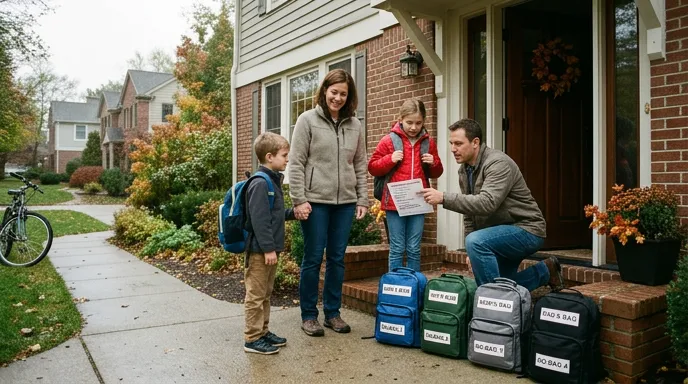
- Household roles: Who grabs the go-bag, who handles pets, who picks up kids from school if routes close.
- School and workplace plans: Know each site's reunification policy before you need it.
Write it on paper. Laminate a wallet card for kids and older adults. Run a five-minute drill once a year.
Prepping on a Budget: Starter, 72 Hours, and Two Weeks
Exact dollar amounts vary by region and family size. The tiers below are planning frames, not shopping mandates. Add items over pay periods instead of one credit-card hit.
| Tier | Time horizon | Typical focus (examples) | Approximate mindset |
|---|---|---|---|
| Starter | 24 to 48 hours | Extra water bottles, flashlight, radio, meds, pet food, copies of IDs | Use what you own; fill gaps on the next grocery trip |
| 72-hour | 3 days | Full water math, shelf-stable meals, first aid refresh, charger bank | Aligns with Ready.gov and Red Cross baseline guidance |
| Two-week stretch | 14 days (optional) | Expanded pantry rotation, hygiene stock, backup heat plan, cash reserve | For high-risk zones or households with medical dependencies |
Buy store brands, use coupons, and shop sales on items you already eat. A two-week pantry is a rotation habit, not a bunker of mystery buckets.
Power Outages, Generators, and Carbon Monoxide Safety
Blackouts are among the most common suburban emergencies. Keep fridges closed, know how to report downed lines, and never run a generator, charcoal grill, or camp stove indoors or in a garage. Carbon monoxide is odorless and kills every year during storms when people improvise heat.
Place generators at least 20 feet from windows and doors, with exhaust pointing away from the house. Battery-powered lights and a NOAA weather radio cover many needs without fuel. For cooking, use outdoor grills only in open air, or follow a tested non-electric cooking plan that keeps flames and fumes outside living spaces.
Extension cords should be rated for the load. If you depend on medical devices, talk to your clinician about backup power and register with your utility's medical priority programs where available.
Health, Medications, and Special Needs
Chronic conditions turn a nuisance outage into a crisis if refills are missed. Keep a printed medication list with dosages, prescriber names, and pharmacy numbers. Store at least a week's buffer when your insurer allows, and use mail-order refill windows before hurricane or wildfire seasons.
For disabilities, plan mobility aids, spare batteries for powered equipment, and accessible evacuation routes. HHS emergency preparedness resources stress that generic kits must be customized: hearing aids, insulin cooling, communication boards, and service animal supplies are not optional extras.
After disasters, stress and trauma are normal. CDC guidance points families to the Disaster Distress Helpline (call or text 1-800-985-5990) and the 988 Suicide and Crisis Lifeline for ongoing support. Mental health belongs in the plan, not afterthought.
Pets, Kids, and Older Adults
Pets need water, food, carriers, leashes, vaccination records, and a photo for reunification. Many shelters do not accept animals except service animals, so identify pet-friendly hotels or friends ahead of time.
Kids need comfort items, child-sized masks if air quality fails, and age-appropriate explanations of alarms. Practice so a siren is familiar, not terrifying.
Older adults may need spare eyeglasses, mobility devices, and neighbors who check in. A simple buddy system on your street beats a secret cache nobody can reach.
Skills That Outlast Your Stockpile
Gear without practice fails under stress. High-value skills for suburban and city preppers:
- CPR and basic first aid (Red Cross or equivalent courses)
- How to shut off gas, water, and electric mains safely
- Map reading and alternate routes without GPS
- Safe food handling when refrigeration fails
- Light home repair: tarps, shutoff wrenches, fire extinguisher use
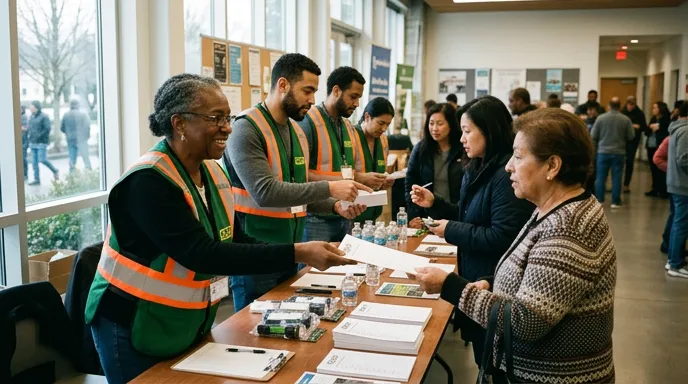
Community Emergency Response Team (CERT) training in many counties teaches neighbors to help each other until professionals arrive. Skills scale; hoarding does not.
Neighbors and Community Resources
Isolation is a liability. Map your block: who has medical training, who owns a chainsaw, who needs check-ins. Join local VOAD partners, faith groups, or mutual aid lists that share sandbags, chargers, and information without breaking the law or risking contaminated urban foraging.
Official shelters, cooling centers, and water distribution points exist because cities plan for scale. Know how to find them through county websites before you need them. Trading skills (childcare swaps, tool libraries) builds resilience faster than fantasy about abandoned stores.
Contrast that with content that glamorizes looting or scavenging. Besides legal risk, you face structural collapse, mold, and violence. Safer paths are sharing what you stored legally, coordinating with nonprofits, and following evacuation orders when issued.
Bug Out or Shelter in Place?
Not every emergency requires leaving. Use a simple decision grid:
- Shelter in place when your home is structurally sound, you have water and meds, and officials have not ordered evacuation. Most winter storms and short outages fit here.
- Evacuate when fire, flood, chemical release, or storm surge threatens your structure, or when local authorities issue a mandatory order. Leave early enough to avoid gridlocked highways.
- Go-bag ready either way: documents, meds, clothes, chargers, and pet supplies packed before smoke or water rises.
Bug-out fantasies ignore fuel, hotel costs, and family separation. A realistic suburban plan often means staying put with a solid kit, and evacuating along practiced routes when hazard maps say go.
Recent Context: Federal Response and Your Plan
Between 2025 and 2026, public debate continues over FEMA restructuring, disaster declaration thresholds, and how quickly federal aid reaches counties after large events. Regardless of policy outcomes, history shows local response and household readiness carry the first 72 hours. Ready.gov and Red Cross core guidance has remained steady: one gallon of water per person per day, family communication plans, and staying informed through official channels.
Think of federal programs as a backstop, not a substitute for your pantry and paperwork. Insurance reviews, hazard insurance riders, and documented home inventories matter as much as another case of bottled water. Stay non-partisan in your planning: follow verified agency updates, not rumor threads.
FAQ: Disaster Preppers and Urban Preparedness
What is the difference between a disaster prepper and a survivalist?
Disaster preppers focus on likely household disruptions: outages, storms, and supply delays, using mainstream plans and official kits. Survivalists often emphasize long-term self-sufficiency off-grid or extreme scenarios. You can prepare seriously without adopting bunker culture.
How much water should disaster preppers store per person?
Plan for about one gallon per person per day for drinking and hygiene, for at least three days. Add extra for pets, pregnancy, hot climates, or medical needs that require more fluids.
What belongs in a 72-hour emergency kit?
Water, shelf-stable food, medications, first aid supplies, light, radio, hygiene items, copies of important documents, cash, phone chargers, and tools such as a whistle and multi-tool. Customize for infants, elders, and service animals.
How do I make a family emergency communication plan?
Pick two meeting places, assign an out-of-area contact everyone checks in with, and write down school and workplace reunification rules. Practice once a year and give wallet cards to kids and caregivers.
Can I prep on a tight budget in an apartment?
Yes. Start with water, meds, a flashlight, and food you already eat. Use vertical storage and buy a little each paycheck. A starter tier can fit in one closet bin.
When should I evacuate instead of staying home?
Leave when fire, flood, storm surge, or hazardous materials threaten your home, or when authorities issue a mandatory evacuation. If in doubt during fast-moving threats, follow local emergency alerts.
How do I prepare with a chronic illness or disability?
Stock extra medications when allowed, keep printed medical summaries, plan backup power for equipment, and register for utility medical programs. Build a support network that knows your needs.
How often should I refresh my emergency supplies?
Check food and battery dates at least twice a year, often when clocks change. Rotate water and pantry items through normal cooking so nothing expires unused.
References
- Ready.gov: Make a Plan
- Ready.gov: Build a Kit
- Ready.gov: Be Informed
- CDC: Emergency Preparedness and Response
- CDC: Supporting Mental Health in Emergencies
- American Red Cross: Survival Kit Supplies
- American Red Cross: Make a Plan
- HHS: Emergency Preparedness and Response
- OSHA/CDC: Emergency Preparedness Pamphlet
- Texas A&M University-Victoria: 72-Hour Checklist