Groceries That Last Long: Build a Smarter Pantry List From the Supermarket
Build a smarter long grocery list around shelf-stable staples, realistic fridge picks, rotation habits, and supermarket items that store well without specialty gear.

If you want groceries that last long, start with a simple idea: buy what you already eat, then store it in a way that protects flavor, nutrients, and safety. The goal is not a bunker of mystery cans. It is a working kitchen that can stretch a shopping trip, handle a busy month, or ride through a power outage without turning meal time into a scavenger hunt.
This guide expands the usual “rice and beans” short list into a full planning frame: how shelf life actually works, what to buy in each supermarket aisle, how to pair long lasting pantry foods with a few fridge winners, and how to turn it into a long grocery list you will really use.
Why “long lasting” depends on storage, not hype
Package dates are one of the most confusing parts of everyday food waste. Voluntary date phrases often describe peak quality rather than a sudden safety cliff. When journalists summarize federal food-safety messaging, they frequently repeat the same practical theme: many foods remain safe past a printed date if storage was sound, while damaged or compromised packaging is a real warning signal.
That is why your pantry habits matter as much as your shopping list. Cool, dry conditions, airtight containers for dry goods, and a disciplined rotation system beat almost any brand name on the label.
Pantry anchors that usually store the longest
Think in layers. Start with calories and bulk, add protein, then widen into vegetables, fats, and flavor.
Grains and pasta
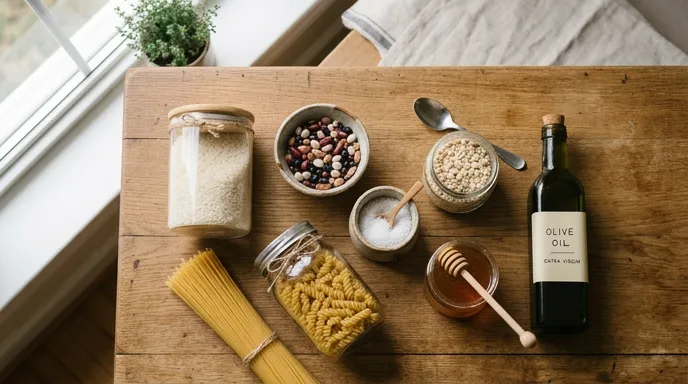
White rice is the classic long-storage grain for households focused on stability because it is versatile and forgiving when kept dry. Brown rice is more nutritious for some diets, but the still-attached bran layer means more oil in the grain, so it can go rancid faster unless you manage temperature and packaging carefully. Dried pasta and plain oats are other workhorses because they cook quickly and accept many sauces.
Beans, lentils, and split peas
Dried legumes are a dense plant protein source and, when kept dry, can remain usable for a long time. Beans do harden as they age, so plan extra soaking or gentle cooking time, and keep them in tight containers with good pest control. For faster meals, canned beans are a fair tradeoff: less fuel and time, more weight in the pantry rotation.
Canned vegetables and fruits
Canned goods are not all the same acid story. Low-acid canned vegetables such as carrots, green beans, corn, potatoes, pumpkin, and spinach are often discussed alongside multi-year pantry timelines in consumer reporting that cites USDA shelf-stable guidance for home planning. High-acid products behave differently, so it helps to treat tomato-heavy items and many fruits as their own category with shorter expectations.
Proteins that are easy to find in a normal grocery store
Canned fish and poultry are straightforward pantry protein. Jerky, shelf-stable pouches, and nut butters add calories and morale. Powdered milk and bouillon are not glamorous, but they widen what you can make from stored staples.
Fats, sweeteners, and salt
Salt, sugar, and honey are kitchen utilities as much as ingredients. Vinegar, soy sauce, and hot sauce can make simple meals taste intentional. Cooking oil is calories and cooking flexibility. Store oils away from heat and light, and use the smell test if you are unsure about rancidity.
A long grocery list, organized the way shoppers actually walk the store
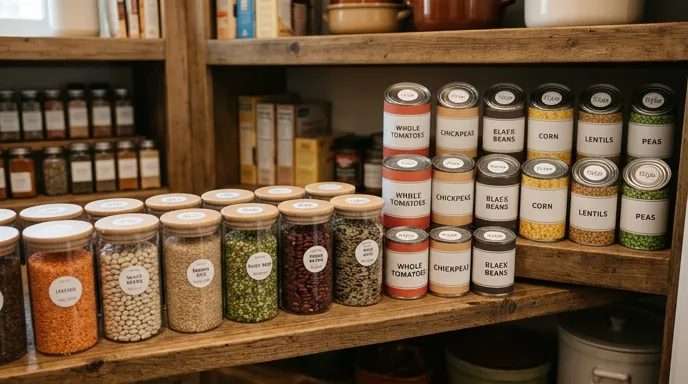
A long grocery list should still be scannable. One approach is to group by storage zone, which matches how many families pack groceries home and how educators publish printable stock-up templates. Another approach is a tiered monthly plan that phases fresh food, shelf-stable staples, and freezer additions so you are not trying to solve three problems in one panic cart.
| Bucket | Buy examples | Why it helps |
|---|---|---|
| Dry staples | Rice, dry beans and lentils, pasta, oats, flour if you bake, cornmeal | Calories and protein per dollar, long pantry life when dry |
| Canned meal bases | Tomatoes, beans, corn, tuna, chicken, chili, shelf-stable broth | Fast hot meals, fewer dependencies on fresh produce |
| Cooking utilities | Oil, vinegar, salt, baking soda, spices you truly use, bouillon | Turns boring staples into varied dishes |
| Calorie backups | Peanut butter, nuts, crackers, granola bars | Portable energy when cooking is limited |
| Comfort and variety | Cocoa, tea, coffee, jam, dried fruit, hot sauce | Reduces “same meal every day” fatigue |
State-level public resources sometimes publish comprehensive grocery list PDFs aimed at life skills practice. Even if your region uses a different template, the lesson is consistent: a master list reduces forgotten items and makes monthly planning less noisy.
Fridge picks that buy you extra time between trips
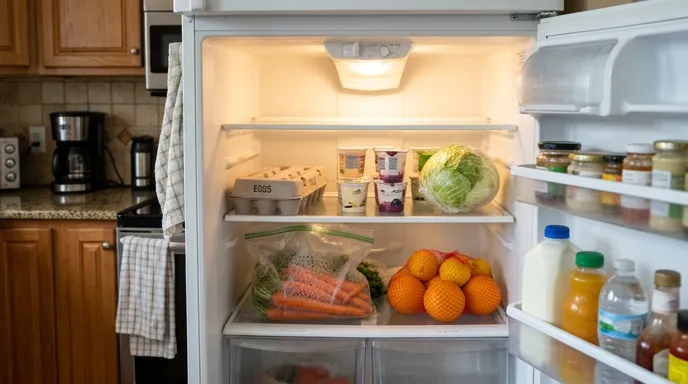
Not everything long lasting sits in the pantry. When you want groceries that last long in real life, a few refrigerated staples stretch the calendar without asking for a full homesteading setup. Store them with care and plan meals around what dies first.
- Root vegetables such as beets and carrots, often stored in bags to limit moisture loss
- Cabbage and citrus, useful for crunch and vitamin variety
- Eggs and yogurt when your household tolerates dairy
- Fully cooked sausages and bacon when you need quick protein with predictable handling rules
- Hard cheeses, useful as a concentrated flavor source
If your family barely eats a category, do not stock it deep. A long grocery list is only “smart” when it matches real meals.
Emergency planning without turning dinner into MRE life
Emergency food is different from everyday cheap calories, but it does not have to be alien. A practical pantry layer includes water strategy, manual can opener redundancy, foods that need little preparation, and items that keep morale steady during stress.
Many emergency pantry guides emphasize protein, fiber, and familiar flavors. Peanut butter, whole-grain crackers, nuts, trail mixes, cereal, and granola-style bars show up repeatedly because they store compactly and eat quickly. The broader lesson is balance: you want fuel, not just carbohydrates.
Habits that beat a shopping spree
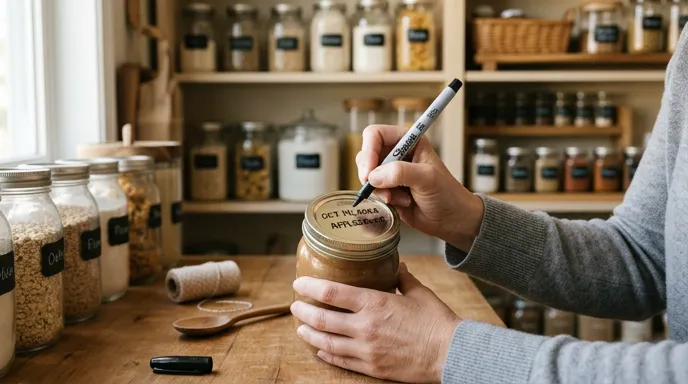
Rotation is the silent hero. First-in, first-out is the simplest discipline: new boxes go behind older ones, and you reach for the older package first. If you hate surprises at midnight, date lids or use small removable labels.
Seasonal pantry audits help too. Pull everything out occasionally, check for pest dust, wipe shelves, and admit which “great deal” items you never eat. Donate unopened extras if it helps someone else, then stop rebuying the same mistake.
Recent context that should shape a 2026 pantry plan
Food budgets have been volatile for many households, and news commentary across regions has swung between “relief in some staples” and “persistent pressure in a few categories.” You do not need a precise economic forecast to benefit from the strategy those moments keep reinforcing: flexible meal plans, a bias toward shelf-stable backups, and willingness to substitute proteins or switch brands when prices spike.
If you build your long grocery list from repeatable meals rather than one-time hype purchases, you stay calmer when the store feels louder than usual.
FAQ
What groceries last the longest without a chest freezer?
Dry rice, dry beans and lentils, pasta, salt, sugar, honey, many canned low-acid vegetables when cans stay intact, canned fish, oils stored away from heat, and peanut butter are common staples people rely on for months-to-years horizons when packages stay sealed and storage stays cool and dry.
Is a “long grocery list” the same as a bulk-buy list?
Not exactly. Long can mean “many lines,” but the better version is “complete for your cooking style.” Bulk buying without rotation creates waste. A long list that mirrors real recipes scales better.
How should I split money between pantry, fridge, and freezer?
Use a simple ratio tied to how often you shop. If you shop weekly, keep fridge produce modest and pantry staples deeper. If you shop monthly, shift toward more frozen vegetables, more canned meal bases, and a tighter fresh plan for week one versus week four.
Are dented cans ever okay?
Small dents can be a judgment call, but bulges, heavy rust, seam damage, or anything that looks like pressure inside the can should be treated as a discard. When in doubt, choose safety and replace the item.
Do I need oxygen absorbers for supermarket food?
Most households can do well with airtight containers, pest control, cool storage, and rotation. Oxygen absorbers can help for serious long-term dry storage, but they are not a substitute for clean, dry food and good habits.
References
- Connecticut DMHAS: The Ultimate Grocery Shopping List (PDF)
- Food Network: 15 Top Pantry Items with a Long Shelf Life
- Healthline: 22 Healthy Foods That Don’t Spoil Easily
- Real Simple: 13 Foods That Last a Long Time
- Real Simple: Top Emergency Foods to Stockpile Just in Case
- Epicurious: Foods That Last in the Fridge for at Least Two Weeks
- Taste of Home: Long Term Food Storage Staples That Last Forever
- Two Healthy Kitchens: Once-a-Month Grocery Shopping
- The Pioneer Woman: How to Stock Up the Pantry (Printable List)