Gardening Survival: How to Plan a Prepper Garden That Feeds You When Seasons Fail
Plan a calorie-smart survival garden, build seed security, and recover when heat, pests, or drought kill your plot. Zone planning, staple crops, and Plan B food steps.

A survival garden is not a hobby plot of cherry tomatoes and basil. It is a deliberate food system: calories first, storage second, and a backup plan when weather, pests, or life blow up your harvest. Gardening survival means you can still eat well if the beds go sideways, not only when everything goes right.
This guide walks you from first bed to failure recovery. You will choose staple crops, size the garden to real calorie needs, harden the plot against heat and drought, and know what to do when deer, drought, or a late frost take your year.
What Counts as a Survival Garden (and a Prepper Garden)?
People use different labels. A victory garden historically meant home production to offset shortages. A homestead garden often mixes livestock, orchards, and year-round preservation. A prepper garden or survival garden stresses reliability under stress: high-calorie staples, crops you know how to store, and skills that work if supply chains wobble.
All three overlap. For gardening survival, prioritize:
- Calorie density over salad greens alone
- Storability (root cellar, dry beans, winter squash, grain corn)
- Repeatability in your climate, not Instagram trends
- Skills (soil, water, seed saving) that outlast one good season
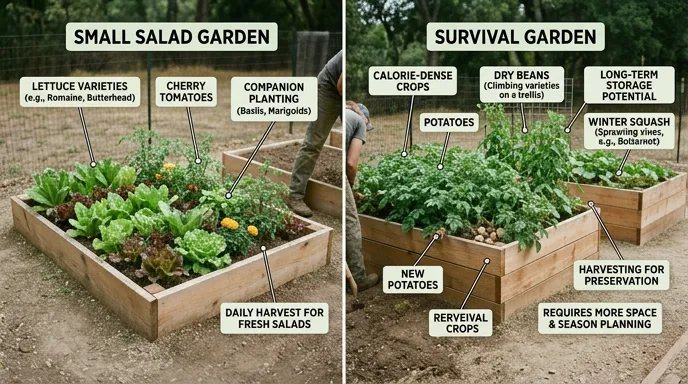
Calorie Math: Size the Garden to Real Needs
Leafy greens are vital for vitamins, but they rarely carry a household through winter. Adults commonly need roughly 1,600 to 3,000 calories per day depending on age, sex, and activity. A survival garden should aim to replace meaningful slices of that, not garnish plates.
Use this as a planning frame, not a guarantee:
| Crop (examples) | Why it earns space | Storage angle |
|---|---|---|
| Potatoes | High calories per square foot; tolerates varied soils | Cool, dark storage for months with proper curing |
| Dry beans & peas | Protein plus calories; fixes nitrogen in soil | Shelled, dried, jarred or bucketed |
| Winter squash & pumpkins | Dense carbohydrates; few plants, large harvest | Cured fruit stores at cool room temps |
| Sweet corn (grain types) | Calories and versatility if you grind or dry | Dried kernels; not the same as short-season sweet corn only |
| Root crops (carrots, beets, turnips) | Extend fresh eating into cold months | Cellar, sand storage, or lacto-ferment |
| Alliums (onion, garlic) | Flavor and preservation backbone | Braided or hung dry |
Rule of thumb: every bed row should justify its water and labor. If you will not eat or store it, swap it for something you will.
Planning Your Prepper Garden by Zone and Season
Start with your frost-free window and last spring / first fall frost dates from a trusted local planting calendar (university extension offices publish these by region). Match days-to-maturity on seed packets to your season length. A 110-day corn variety will fail in a short northern summer; a 65-day bush bean may thrive.
Site checklist
- Sun: Most food crops want 6+ hours of direct sun.
- Water: Within hose or drip reach; note downhill flow in storms.
- Wind: Plan windbreaks for tall crops and young transplants.
- Wildlife: Fence before you plant if deer or rabbits are common.
- Soil test: Cheap tests beat guessing lime and fertilizer for years.
Extension guides recommend firming soil over seeds so rain does not wash them away, and hardening off transplants outdoors for about a week before setting them in the ground. Those small steps prevent the “everything died in week one” spiral.
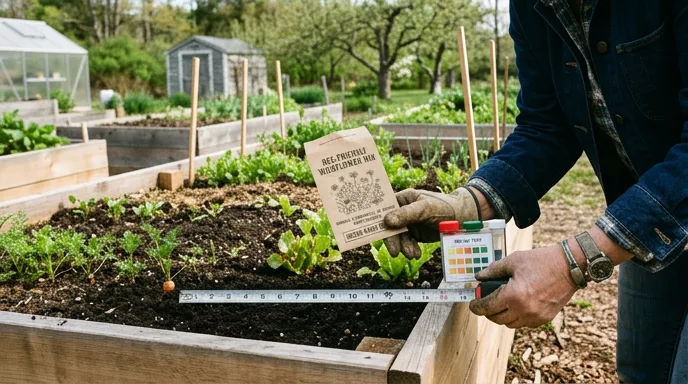
Bed Types: Match Layout to Space and Budget
| Method | Best for | Survival notes |
|---|---|---|
| In-ground rows | Large yards, tractor access | Lowest cost; more weed pressure |
| Raised beds | Poor native soil, drainage control | Faster warmup in spring; fill with quality mix |
| Containers & buckets | Patios, rentals, mobility | Potatoes and bush beans work; watch daily watering |
| Square-foot grids | Max yield in small footprint | Plan tall crops on north side to limit shade |
| No-dig / mulch-heavy | Building soil while growing | Mulch cuts heat stress and saves water |
An emergency vegetable plot can start small: one or two beds of potatoes plus beans often beats a scattered “everything store” garden that is hard to maintain.
Seed Security for Gardening Survival
After supply shocks in recent years, many households treat seed on hand as basic preparedness, not a hobby extra. Build a prepper garden seed bank with intention:
- Open-pollinated and heirloom varieties if you plan to save seed (hybrids can be excellent for yield but may not breed true).
- Rotate crops you actually eat; duplicate packets of kale you hate are dead weight.
- Date and store cool and dry; run simple germination tests (damp paper towel, ten seeds, count sprouts) before betting the season.
- Regional winners: short-season types for cold zones; heat-tolerant beans and amaranth where summers bake.
Seed saving basics: let the best plants go to seed, dry thoroughly, label variety and year, and keep away from moisture. Even saving beans and tomatoes one year builds skill faster than reading about it.
Water, Mulch, and Heat Resilience
Climate volatility shows up as erratic rain, early thaws, and mid-season heat domes. Layer defenses:
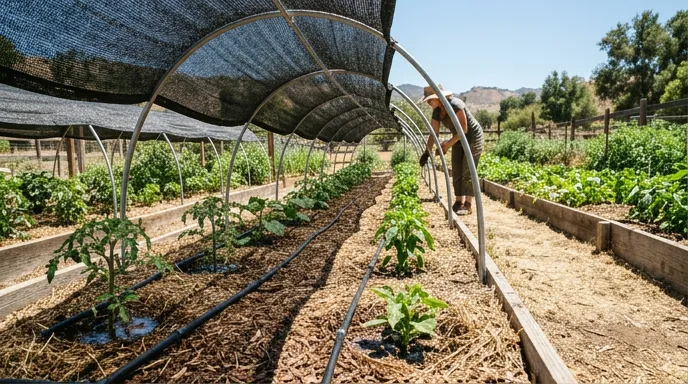
- Compost and mulch: Organic matter holds moisture and moderates soil temperature.
- Drip irrigation: Delivers water at roots; reduces disease on leaves.
- Shade cloth: Temporary relief for young transplants during heat waves.
- Drought-tolerant crops: Tepary beans, amaranth, and millet-class grains where appropriate; Mediterranean herbs on edges.
- Rain capture: Barrels where legal; always screen openings for mosquitoes.
Recent extension messaging treats home gardens as part of climate adaptation: less bare soil, more cover crops between seasons, and composting food scraps back into beds instead of sending nutrients to landfill.
Pollinator-Safe Pest Control
When calories are on the line, the temptation is to spray everything. That can backfire by killing pollinators and beneficial insects. The U.S. Fish and Wildlife Service recommends approaches that protect bees and butterflies while managing damage:
- Avoid neonicotinoid sprays on flowering plants; they are especially harmful to pollinators.
- Release or attract ladybugs for aphids and whiteflies.
- Use marigolds as trap crops ahead of tomatoes to draw pests away.
- Plant flowering herbs (basil, cilantro left to bolt) to feed pollinators.
- Dilute dish soap sprays only as a limited tool for whiteflies; overuse harms plants and beneficials.
Physical barriers (row cover, fine mesh until flowering) beat indiscriminate sprays for many caterpillar and beetle issues. Hand-pick hornworms at dusk when populations are small.
Harvest, Storage, and the Preservation Pipeline
Growing without preserving repeats the feast-or-famine cycle. Tie crops to an end use before planting:
- Root cellar or cool basement: Potatoes, carrots, beets, cabbage
- Drying: Beans, corn, herbs, hot peppers
- Canning (pressure for low-acid foods): Follow tested recipes and altitude adjustments
- Fermenting: Cabbage, cucumbers, root crops for probiotics and shelf life
- Freezing: Berries, blanched greens, pesto cubes
Your pantry already matters: a garden supplements stored staples; it rarely replaces them overnight. Pair fresh production with dry goods you rotate (rice, oats, lentils) so a bad week in the beds does not empty the kitchen.
When Your Garden Fails: Troubleshooting and Plan B
Every grower eventually hits a bad year: deer strip leaves, heat wilts transplants, wireworms hollow potatoes, or late frost nails fruit set. Treat failure as a system problem, not a moral one.
Diagnostic flow (work top to bottom)
- Water: Too much (rot, yellow leaves) or too little (wilting by midday)?
- Soil: When did you last test pH and nutrients? Random fertilizer without data often fails.
- Timing: Planted heat-lovers too early or cool crops too late?
- Pests vs disease: Holes in leaves (chewing insects) vs spots and mold (fungal; improve airflow).
- Wildlife: Tracks, fence gaps, height of damage.
- Weather: Record heat days and rainfall; some losses are not fixable in-season.
Keep offline references (extension bulletins printed, regional growing guides) for years when the internet is spotty.
Plan B hierarchy when the plot is done for the season
- Salvage: Green tomatoes for frying or relish; small potatoes from failed main crop; immature squash fed to livestock or compost.
- Secondary plantings: Fast greens, bush beans, or cover crops where season length allows.
- Preserved home stores: Rotate jars and buckets you already own.
- Local buying: Bulk in-season produce for canning when farms overflow.
- Long-term dry staples: Grains and legumes bought on sale, stored cool and pest-safe.
A stash of conventional fertilizer or targeted pesticide can be a last resort for some households, but it is not a substitute for soil health, fencing, and integrated pest management. Use chemicals with label directions, protective gear, and pre-harvest intervals in mind.
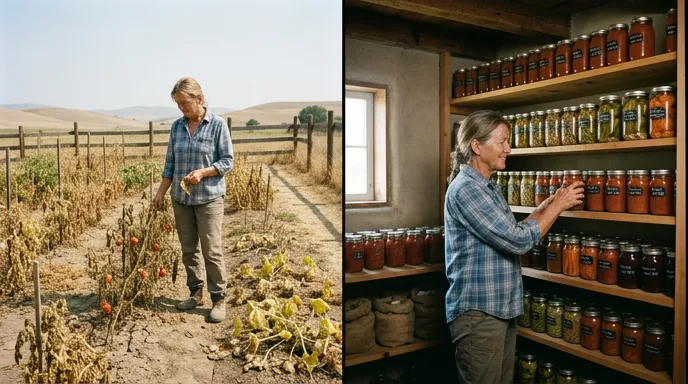
Climate-Proofing Your Prepper Garden for the 2020s
Home food gardens are moving mainstream again as grocery costs, supply-chain anxiety, and weather extremes push people toward local calories. Practical responses showing up across regions include:
- Edible-first yards replacing purely ornamental beds
- Compact high-yield varieties (dwarf fruit, vertical beans, trellised squash)
- Community and school gardens as shared backup production
- Seed swaps and citizen trials for heat-tolerant local strains
- Low-input practices promoted by extension: cover crops, compost, reduced tillage
Frame your prepper garden as a climate-proof pantry, not only a worst-case fantasy. The skills overlap: mulch, water discipline, diverse crops, and stored seed.
Small-Space and First-Year Starter Plan
If you are new, resist planting twenty varieties. One realistic first-year survival patch:
- Bed 1: Potatoes (calories)
- Bed 2: Pole beans on a trellis (protein + nitrogen)
- Bed 3: Winter squash or pumpkins (storage carbs)
- Edge pots: Kale or collards, green onions, herbs for nutrition and flavor
Log planting dates, rainfall, and harvest weights in a notebook. Numbers beat memory when you plan year two.
FAQ: Gardening Survival and Prepper Gardens
How is a prepper garden different from a regular vegetable garden?
A prepper garden prioritizes calories, storage, and reliability over variety for its own sake. You still grow things you like to eat, but staple crops and preservation plans come first.
How much land do I need to feed a family?
It depends on diet, skill, and climate. Many households start with a few hundred square feet of staples and expand as they learn yields. Track your harvest weight for one season before betting the farm on a quarter acre.
What are the best survival garden crops for beginners?
Potatoes, bush or pole beans, winter squash, kale, onions, and garlic combine forgiving culture with storage value. Add tomatoes for fresh eating and canning once basics are stable.
Should I focus on heirloom or hybrid seeds?
Use hybrids for maximum yield and disease resistance if you will buy seed yearly. Use open-pollinated types for varieties you want to save yourself. Many gardeners mix both.
What if I have no yard?
Containers, community garden plots, and porch trellises can grow meaningful calories. Potatoes in grow bags and beans on railings are proven small-space winners.
How do I recover after a total garden loss?
Document the cause, fix fences or soil issues, plant fast catch crops if time remains, and lean on stored food without guilt. A failed season is data for next year’s plan.
References
- U.S. Fish and Wildlife Service: 5 Pollinator-Friendly Ways You Can Manage Garden Pests
- University of Arizona Cooperative Extension: Ten Steps to a Successful Vegetable Garden
- Gardening Know How: 7 Crops Preppers Always Grow in Their Survival Gardens
- Epic Gardening: 20 Best Crops For A Survival Garden
- Growfully: How to Build a Cheap, Easy Emergency Vegetable Garden