Non-Electric Cooking: Heat and Cook Food Safely During a Power Outage
Practical ways to cook without electricity or a working stove: indoor-safe heating, outdoor fuel cooking, food safety after blackouts, and what to stock before the grid drops.

When the grid drops, the kitchen does not have to go cold. Non-electric cooking is really two jobs at once: getting enough safe heat to cook or simmer food, and keeping people safe from fire and carbon monoxide. This guide walks through realistic options, indoor versus outdoor rules, food safety after a blackout, and simple meal patterns you can use with pantry food.
Recent safety reminders from regulators
Winter storms and other widespread outages still push many households toward portable generators and fuel-burning gear. In early 2026, the U.S. Consumer Product Safety Commission issued multiple warnings that carbon monoxide from portable generators can kill quickly, and that generators must be used outdoors, well away from the home, with fresh batteries in carbon monoxide alarms. Treat any plan that mixes indoor air and fuel-burning equipment as a serious safety review, not an afterthought.
What people usually mean by non-electric cooking
Readers land on this topic from different situations. Some have no electricity but still have a gas line, propane service, or a wood stove that works. Others have no working stove at all, but still have electricity for small countertop appliances (not truly non-electric, but it feels the same when dinner is due). This article focuses on cooking when electric kitchen circuits or the whole home service are out, or when you are trying to avoid drawing house power on purpose.
Quick decision table: where can this heat source run?
| Method | Typical use | Ventilation and placement |
|---|---|---|
| Portable propane camp stove or grill | Boiling, frying, grilling | Outdoor only. Official U.S. emergency guidance emphasizes outdoor use and distance from windows. |
| Charcoal grill | Grilling, foil packets | Outdoor only. Never burn charcoal indoors; it can produce lethal carbon monoxide. |
| Portable butane countertop stove | Small-pot cooking, boiling water | Use only with good airflow and only with gear rated for the exact indoor context you have. Community prep threads often pair butane with cracked windows. |
| Fireplace with open flue | Skewer food, foil cooks | Keep flue open. Do not use charcoal indoors as fireplace fuel. |
| Wood stove (installed) | Top-of-stove simmer, kettle boil | Follow manufacturer clearances and chimney maintenance. |
| Chafing dish, Sterno, fondue pot | Warming trays, light heating | Usually lower power. Still needs fire-safe placement and watchful use. |
| Solar oven | Slow baking, pasteurizing, warming | Outdoor, sun dependent; newer hybrid ovens may add a small electric assist when available. |
| Open fire, Dutch oven, rocket stove | Camp-style meals | Outdoor with clear overhead clearance and controlled fuel. Rocket stoves aim for high efficiency from small twigs. |
Ways to cook or heat food without electricity
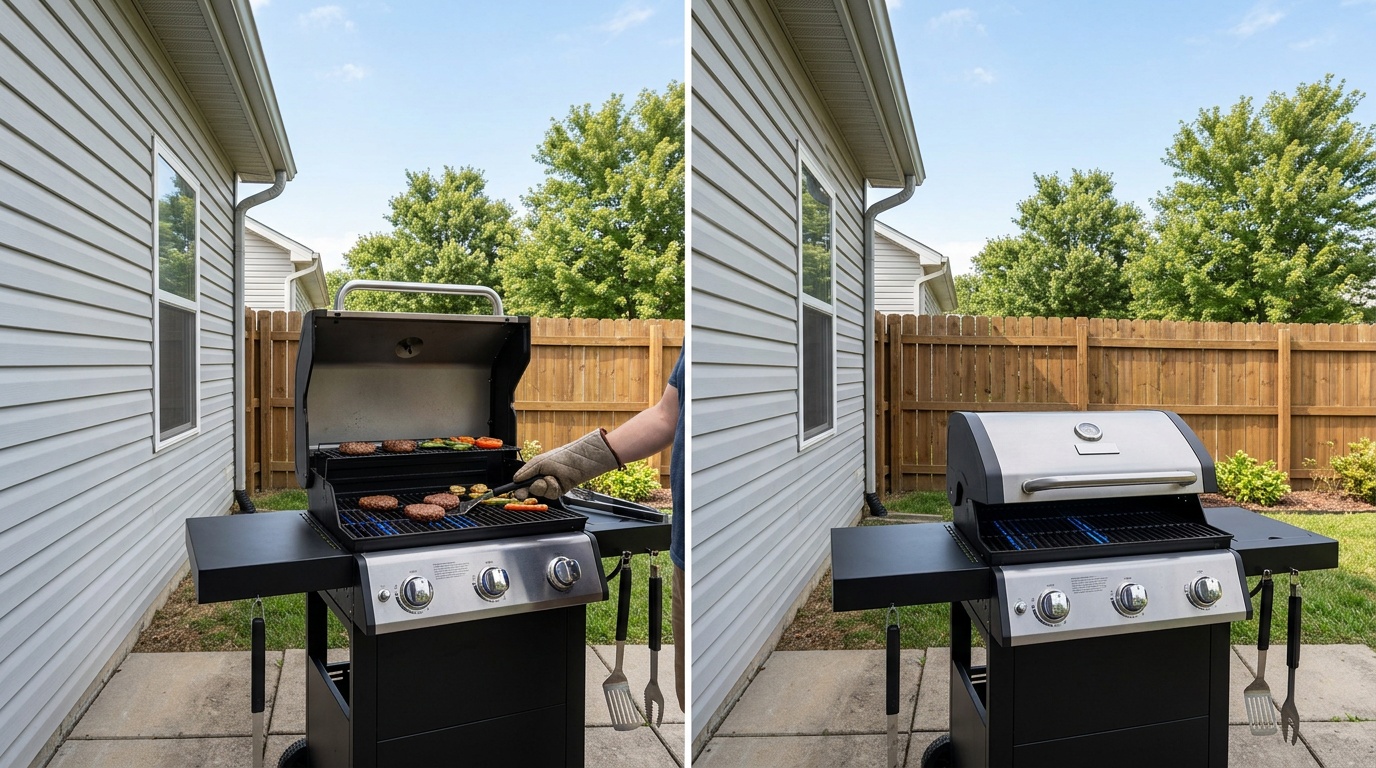
Outdoor propane or gas grills
For many homes this is the default backup when summer weather cooperates. Full-size grills can simmer pots if you mind the heat zones. Official emergency messaging keeps repeating the same idea: take portable fuel cooking outside and keep it away from building air intakes.
Dutch ovens, cast iron, and live fire
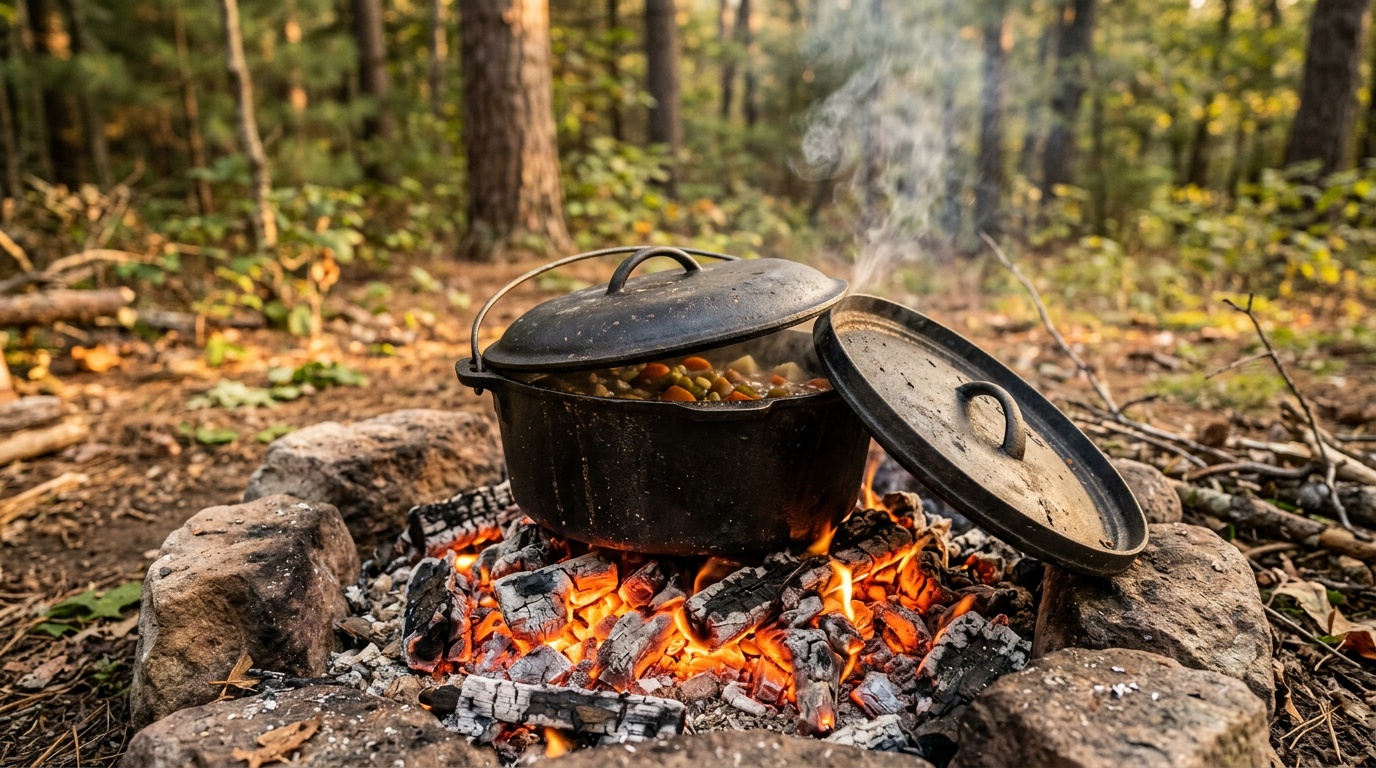
Heavy cast iron turns coals or hardwood bed heat into predictable baking and roasting. A lidded Dutch oven can sit on a grill grate, in campfire coals, or hang from a tripod. Cast iron care matters: clean and oil after use, and avoid soap routines that strip seasoning if you follow traditional camp-kitchen rules.
Portable butane stoves for careful indoor use
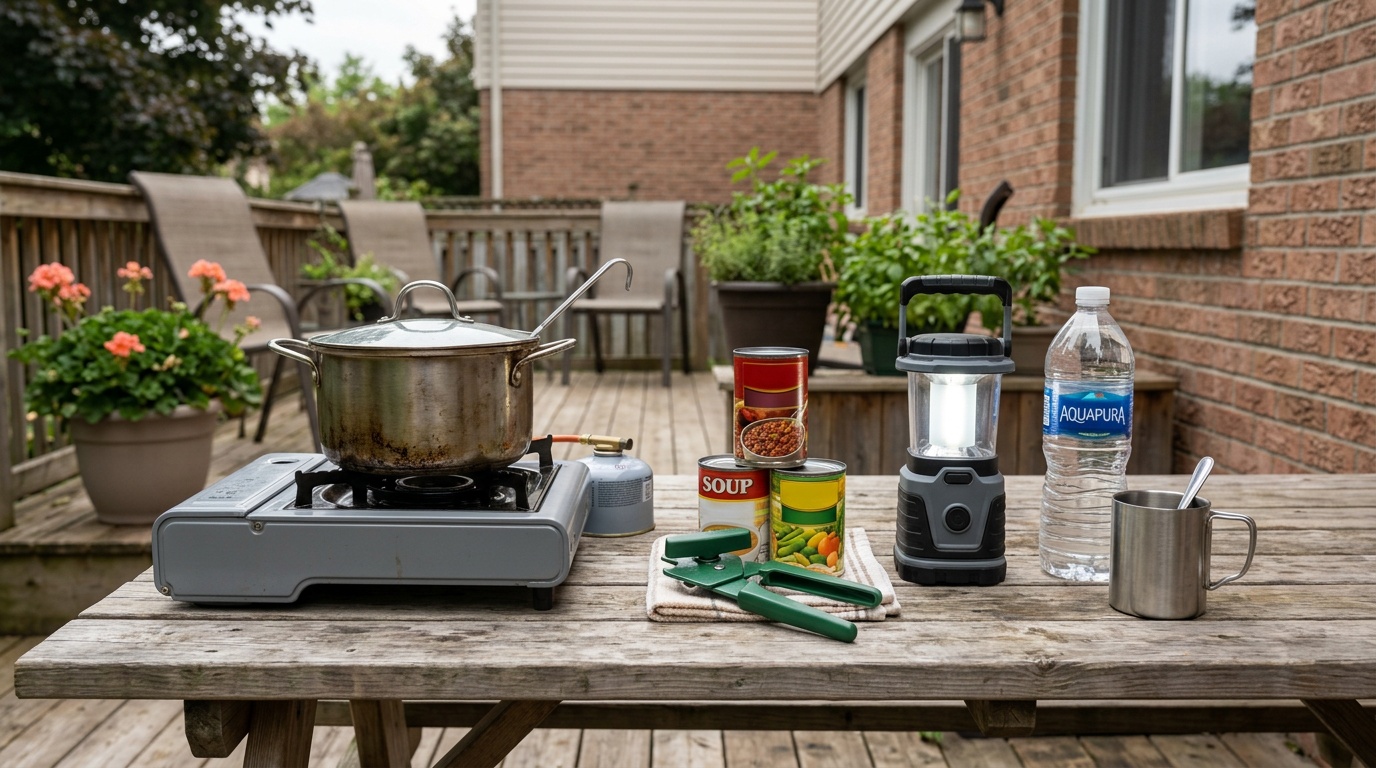
Compact butane stoves are widely used for tabletop cooking worldwide, and they show up often in preparedness discussions when outdoor burning is restricted or risky. Treat them like real combustion: stable surface, fuel canister inspection, and ventilation you can defend if an alarm goes off.
For a visual tour of small indoor options, you can watch this walkthrough. It focuses on blackout conditions and compact stove choices.
Watch on YouTube: Martin Johnson, Off Grid Living, on cooking indoors without electricity
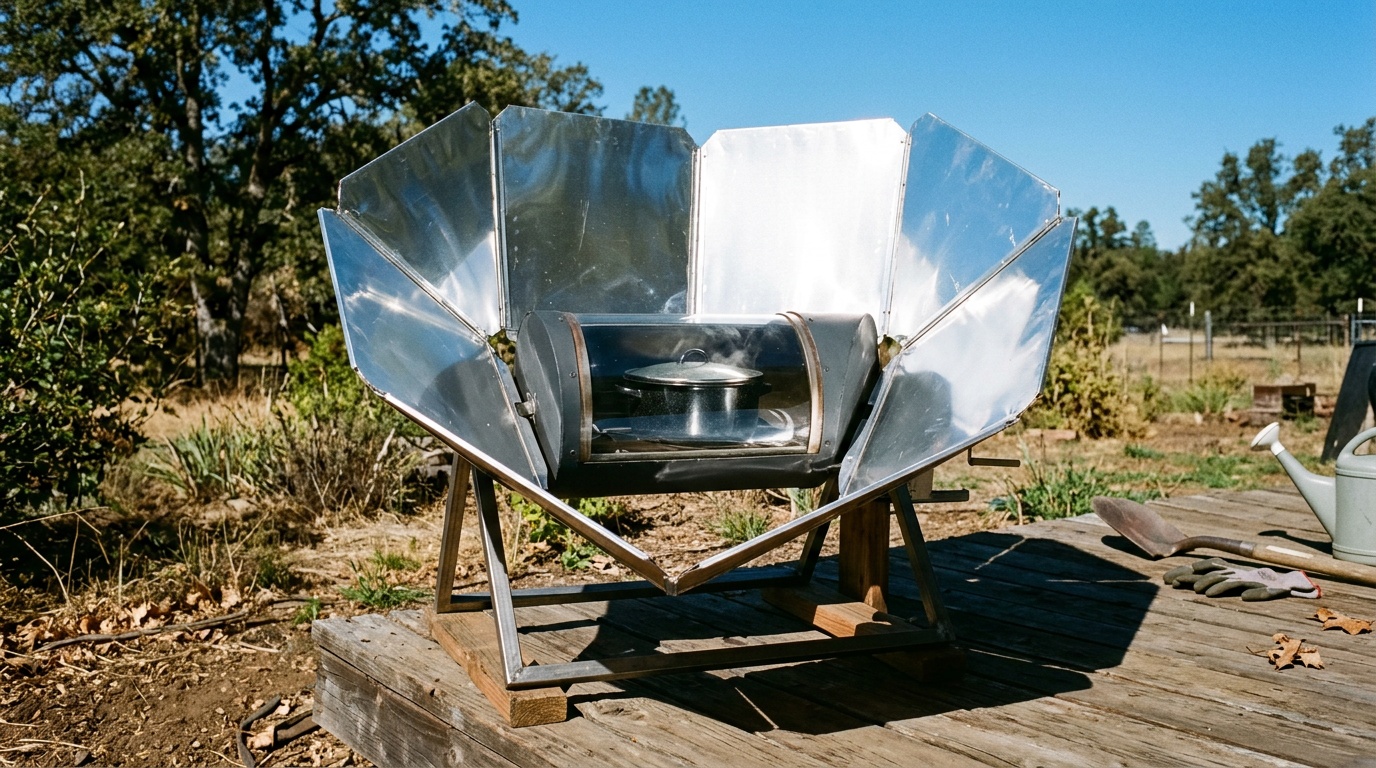
Solar ovens and sunny-day batch cooking
Solar cookers trade fuel for patience. They shine when UV is strong and meals can start early. Hybrid designs that pair reflectors with a backup battery are entering consumer reviews as a way to finish a pot of rice when clouds roll in.
No-cook and low-cook meals
Sometimes the smartest grid-down meal never touches a flame. Peanut butter and crackers, canned fish with pouch rice, bean salads from rinsed canned beans, and wraps with shelf-stable tortillas can cover calories without drawing fuel. Rotating those staples beats discovering expired cans after the storm.
If you want a fast list of meal ideas built for outages, curated collections of no-cook and low-cook recipes are a good starting point for pantry combinations.
“Heat” counts when fuel is tight
Boil-in-bag entrees, flame-heated canned stew, or a single rolling boil to refresh freeze-dried ingredients can stretch limited propane. Think in stages: sanitize water, rehydrate, then simmer only what must be simmered.
Why carbon monoxide ends up in the headlines
Portable generators and other fuel-burning gear send carbon monoxide into the air faster than most people expect. Federal safety writers describe it as an invisible killer because it is odorless and colorless, and they stress placing generators outdoors and well away from doors and windows. Cooking plans should never fight that advice.
For a calm, family-kitchen angle on building a short cooking plan before the lights flicker, this video walks through warm meals and fuel discipline without leaning on panic buying.
Food safety after you lose refrigeration
U.S. federal food safety pages emphasize keeping refrigerator doors closed during an outage and discarding many perishable foods if they sat above food-safe cold temperatures for too long. When you are unsure, default to caution. Emergency writers also repeat a simple rule: do not taste food to guess if it is safe.
Extension guidance for home kitchens adds practical angles: use a thermometer if you can, cook to safe internal temperatures when meat is on the menu, and prepare only what you will eat in one sitting because leftovers left out can enter the bacterial danger zone quickly when there is no steady cooling.
Build a small kit before you need it
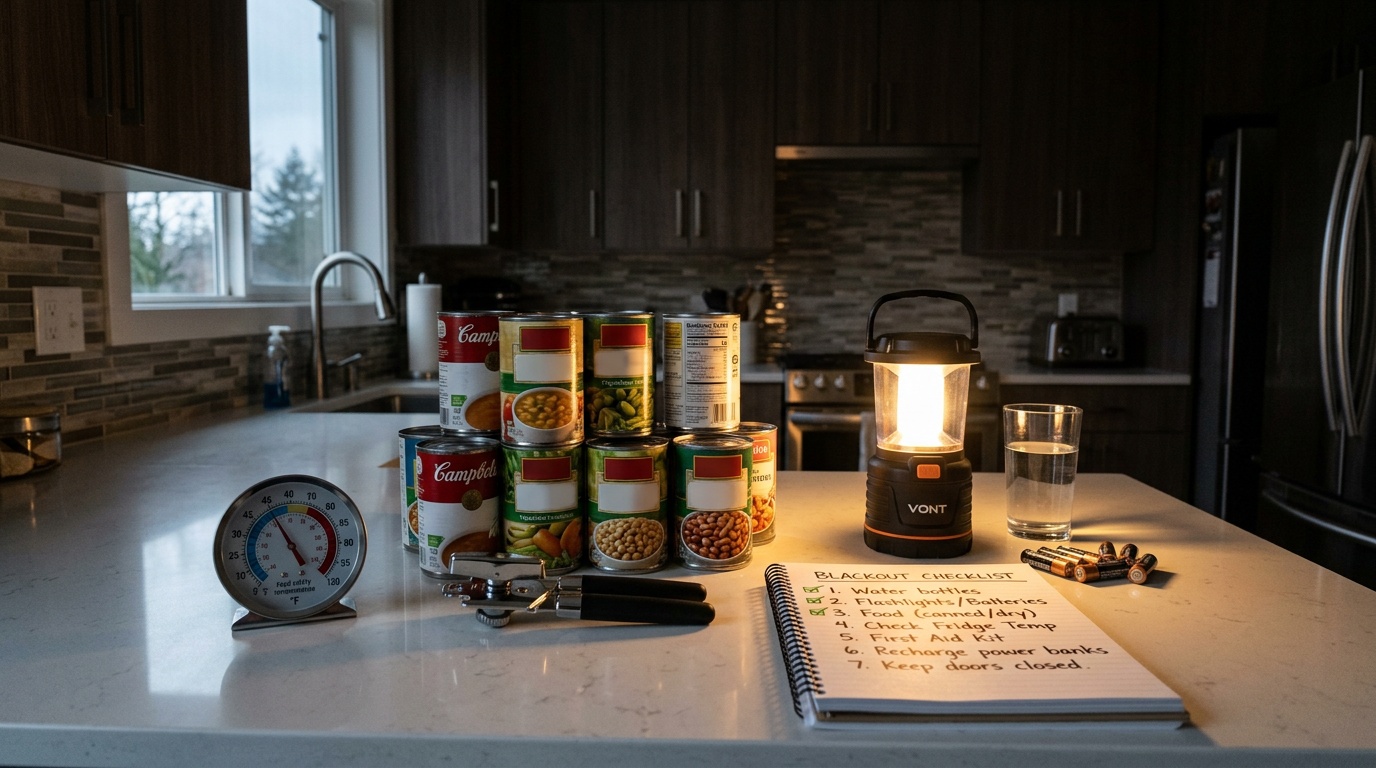
- Manual can opener stored with the pantry, not in a random junk drawer.
- Fuel you actually tested with the stove head you plan to run.
- Fire extinguisher with gauge checked and everyone knows where it lives.
- Battery-powered lights for the cooking zone.
- Written list of which household members should avoid fumes, extra heat, or standing long periods over a fire.
Federal preparedness guidance still treats food, water, and a manual can opener as core home emergency supplies.
Scenario notes
Urban condo or high-rise
You may face bans on balcony grills, narrow stair egress, and fast smoke complaints. Low-profile chafing setups, approved indoor-rated combustion with real ventilation, or strict no-cook menu days are typical answers.
Rural wood heat home
A code-compliant wood stove can be a lifeline. Learn kettle timing, safe ash disposal, and backup cookware that will not scratch enamel.
Wildfire smoke and outdoor burn restrictions
Forum threads from fire-prone regions show the tension between “cook outside” guidance and local pleas to avoid sparks. Sometimes the tactical answer is more shelf-stable cold meals plus short, closely monitored indoor heat sources rather than an open driveway flame.
Frequently asked questions
How is “non-electric cooking” different from “cooking without power”?
People use both phrases when the normal kitchen circuit is useless. “Non-electric” stresses the fuel source. “Without power” often means the whole house electrical service is down, which usually pushes you toward fuel, solar cookers, or no-cook foods unless you maintain a separate battery system for induction plates or microwaves.
How can I heat up food without electricity when I have no gas stove?
Use an outdoor grill, a solar oven on a clear day, approved indoor warming gear with ventilation, or chafing fuel for gentle reheats. If meat must reach a safe serving temperature, plan fuel for a real simmer or boil, not just surface warmth.
What is the fastest no-fuel way to feed a family for one day?
Combine shelf-stable protein, a complex carbohydrate, and fruit. Example pattern: canned tuna or chicken, crackers or flatbread, apple sauce cups, and nut butter. Add shelf-stable hydration mix if water tastes flat.
Can I use my portable generator to run a hot plate?
Electrically it might be possible with the right inverter and loads, but generator placement rules still apply. If your plan relies on indoor extension cords feeding a resistive cooker, stop and redesign with outdoor-rated run lengths and GFCI habits. Many families find a small propane burner simpler than a wattage math problem.
How long will refrigerated food stay safe?
Follow current federal food safety guidance for your country. In the United States, public materials focus on time above safe cold holding temperatures and the need to discard many refrigerated perishables if a four hour threshold at unsafe temperature is exceeded for some foods. Read the precise wording for each food type you stock.
Are indoor propane camp stoves ever acceptable?
Product labeling and local codes win every argument. If the manufacturer does not rate it for your space, treat it as outdoor gear. When in doubt, cook outside and add wind screens that do not trap exhaust toward windows.
References
In-line videos in this article are for illustration only and are not listed below.
- Ready.gov: Food safety and security
- FEMA: FAQ on safe cooking during a power outage
- CDC: When the power goes out, keep your generator outdoors (PDF)
- CPSC: Winter storm power outages, carbon monoxide, and fire risk (February 19, 2026)
- FDA: Food and water safety during power outages and floods
- USDA: Avoid foodborne illness during temporary power outages
- University of Minnesota Extension: Preparing food without power
- Consumer Reports: What to eat during a power outage
- The Guardian: GoSun Sport-E hybrid solar oven review (May 15, 2026)