Natural Head Cold Remedies for Adults: What Works, What to Skip, and When to Call a Doctor
Evidence-based natural head cold remedies for adults: zinc timing, honey for cough, saline rinses, steam safety, supplement limits, and red flags that need medical care.

Medical disclaimer: This article is general wellness information, not medical advice. Colds are usually mild and self-limited, but some symptoms need urgent care. Ask your clinician before starting supplements if you take prescription drugs, are pregnant, or have chronic illness.
A stuffed head, drippy nose, and scratchy throat are miserable, but most adult colds are caused by viruses that antibiotics cannot fix. Natural head cold remedies for adults should focus on symptom relief, rest, and a few options with modest research support, not miracle cures.
Below you will find an evidence-ranked playbook, symptom-by-symptom tactics, and honest limits on popular “all natural cold remedies” and “best natural cold medicine” claims.
What a Head Cold Is (and What It Is Not)
The common cold is usually a rhinovirus infection of the nose and throat. Adults average about two to three colds per year, often in colder months when people gather indoors. Typical symptoms include:
- Nasal congestion and sinus pressure
- Runny nose and post-nasal drip
- Sore throat and cough
- Mild fatigue, low fever, or headache
Cold vs flu: Flu tends to hit faster with higher fever, body aches, and exhaustion. If you are unsure, a clinician can guide testing and treatment. Natural remedies may ease comfort in either case, but they do not replace flu antivirals when those are appropriate.
Natural vs OTC vs “Natural Cold Medication”
Shoppers use overlapping phrases:
- Natural remedies for colds often mean food-based or home care (honey, broth, steam, saline).
- Natural cold medication usually means herbal or supplement products sold as lozenges, syrups, or capsules.
- All natural cold remedies marketing rarely tells you dose, interactions, or evidence level.
In the United States, dietary supplements are not FDA-approved to treat or cure colds. Labels may say “immune support” while science only supports modest symptom help for some ingredients. Treat supplements like medicines: read labels, follow directions, and stop if you feel worse.
Evidence-Ranked Natural Options for Adults
Think in tiers. None of these replace rest, fluids, or medical care when symptoms are severe.
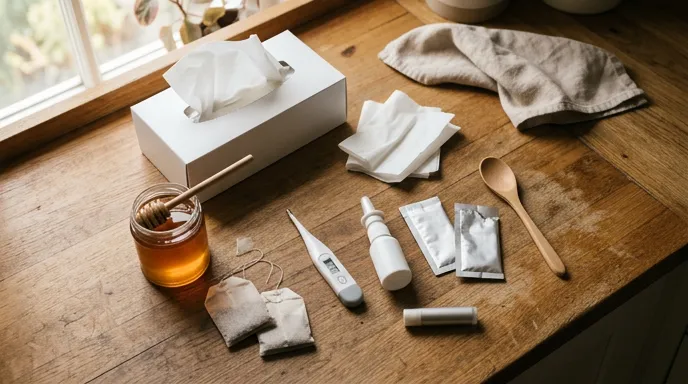
| Remedy | Best for | Evidence (summary) | Adult cautions |
|---|---|---|---|
| Zinc lozenges (early) | May shorten duration if started within 24 hours of symptoms | Modest benefit in some studies; form and timing matter | Nausea, bad taste; long use may affect copper; drug interactions possible |
| Honey | Cough and throat irritation, especially at night | Good symptom relief; does not kill the virus | Never for infants under 1; use caution with diabetes |
| Vitamin C | Slight reduction in duration/severity for some people | Does not reliably prevent colds in most adults | High doses can cause diarrhea and stomach upset |
| Elderberry | Some adults report shorter symptoms | Mixed, small studies; more flu data than cold data | Raw/unripe berries toxic; caution with autoimmune conditions |
| Echinacea | Popular supplement | Mixed results; not consistent prevention or cure | Allergic reactions possible; interacts with some drugs |
| Saline nasal rinse | Stuffy head, thick mucus, sinus pressure | Widely recommended for symptom relief | Use sterile or boiled-cooled water in devices; clean equipment |
| Steam / humidifier | Dry irritated airways | Comfort care; keep humidity in a safe range | Clean humidifiers to avoid mold; avoid burns from hot steam |
| Fluids, rest, sleep | Whole-body recovery | Foundation of every plan | Dehydration worsens headaches and fatigue |
Stuffy Head and Sinus Pressure
Saline irrigation
Drug-free saline spray or rinse can thin mucus and reduce congestion. Use distilled, sterile, or properly boiled-and-cooled water in neti pots and squeeze bottles. Clean and dry the device after each use.
Steam and humidity
A warm shower or cool-mist humidifier can ease dryness. Aim for comfortable humidity, not a steam-room marathon. Wipe humidifiers regularly.
What about essential oils?
Menthol rubs or eucalyptus steam may feel opening for some adults. Patch-test skin products, avoid getting strong oils in eyes, and do not ingest essential oils. They are comfort aids, not proven cures.
Cough, Sore Throat, and Nighttime Sleep
Honey
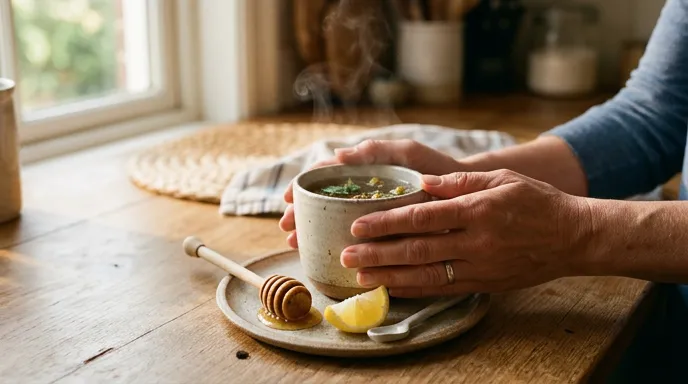
For adults, a teaspoon of honey in warm tea or water may calm cough and help sleep. Honey soothes the throat; it does not shorten the viral infection. Never give honey to babies under 12 months because of botulism risk.
Salt water gargle
Half a teaspoon of salt in a glass of warm water, gargled for a few seconds, can ease sore throat for some people. Spit it out; do not swallow large amounts.
Broth and warm fluids
Chicken soup or vegetable broth supports hydration and comfort. Garlic and herbs add flavor; they are not substitutes for medical treatment.
Best Natural Cold Medicine? A Realistic Short List
If you want the strongest science among “natural” options for adults, most clinicians would rank the list like this:
- Start zinc lozenges early (if you tolerate them and have no contraindications).
- Use honey for cough instead of reaching for sugary cough drops alone.
- Keep vitamin C at food-level or modest supplement doses unless your doctor suggests otherwise.
- Consider elderberry optional if you understand the mixed evidence and product quality issues.
OTC pain relievers (acetaminophen or ibuprofen) and decongestants are not “natural,” but they are evidence-backed for fever, aches, and congestion. Many adults combine home care with short-term OTC symptom drugs. Follow package directions and avoid doubling ingredients across products.
Zinc: Timing, Dose, and Side Effects
Zinc is the supplement most often linked to shorter colds when used as lozenges and started within a day of symptom onset. Benefits are modest, not dramatic.
- Follow product label dosing; do not stack multiple zinc products.
- Common side effects: nausea, metallic taste, mouth irritation.
- Long-term high zinc can interfere with copper balance.
- Ask a pharmacist about interactions with antibiotics, diuretics, or other prescriptions.
Vitamin C, Elderberry, and Herbal Blends
Vitamin C: Regular use may slightly reduce cold length for some people; megadoses are not better and can upset your stomach.
Elderberry: Popular in syrups and gummies. Evidence is mixed and study sizes are small. Never use raw elderberries. People with autoimmune disease or on immunosuppressants should ask a doctor first.
Echinacea and combination “immune” products: Results vary by product and plant part. Watch for allergic reactions, especially if you are sensitive to ragweed family plants.
What Does Not Work (or Can Harm)
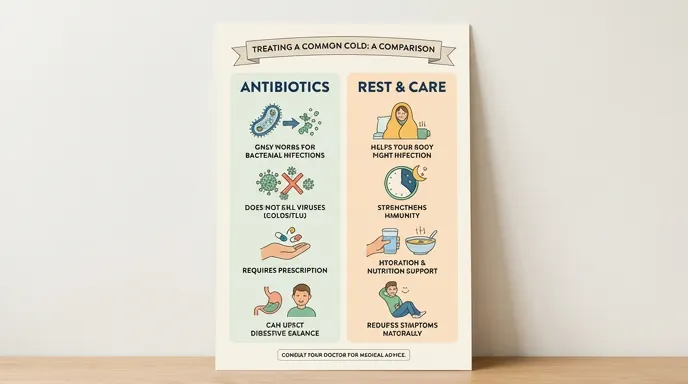
- Antibiotics for a routine viral cold (they do not treat the virus and can cause side effects).
- Colloidal silver or other non-standard products with serious safety risks.
- Vitamin megadoses as a strategy (more is not safer).
- Sharing neti pots without proper cleaning.
- Ignoring high fever, chest pain, or breathing trouble because a blog listed twelve remedies.
Safety for Adults With Chronic Conditions
Check with your care team if you have:
- Diabetes (honey, sugary syrups)
- Kidney disease (minerals, high-dose vitamins)
- Liver disease (herbal combinations)
- Blood thinners or heart medications (herb-drug interactions)
- Pregnancy or breastfeeding (many supplements lack clear safety data)
Bring a photo of supplement labels to appointments. “Natural” does not mean “safe with every drug.”
When to Call a Doctor
Seek medical care promptly if you have:
- Fever above 103°F (39.4°C) or fever lasting more than three days
- Shortness of breath, wheezing, or chest pain
- Severe headache, neck stiffness, or confusion
- Symptoms that improve then worsen sharply
- Symptoms beyond 10 days without improvement
These can signal flu, COVID-19, strep, sinus infection, or other conditions that need targeted treatment.
Build a Simple Adult Cold Kit (No Hype Required)
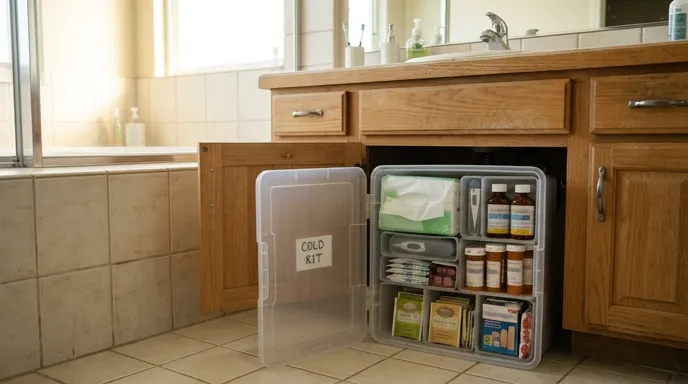
Store a small bin before you get sick:
- Saline spray or rinse supplies with cleaning instructions
- Honey and caffeine-free tea
- Zinc lozenges (if your clinician agrees)
- Tissues, lip balm, thermometer
- Humidifier filters or spare cool-mist unit
- List of OTC meds you already use safely
Rotate expiring products yearly. Prevention still beats treatment: hand washing, sleep, and flu vaccination where appropriate.
FAQ: Natural Cold Remedies and Medication
What are the best natural head cold remedies for adults?
Start with rest, fluids, saline rinses, and humidity. Add honey for cough and consider zinc lozenges within the first day of symptoms if you tolerate them. Most other supplements have smaller or mixed benefits.
Do natural cold remedies shorten a cold?
None reliably cure a cold overnight. Zinc may shorten duration slightly when started early. Everything else mainly makes you more comfortable while your immune system clears the virus.
Is natural cold medication the same as home remedies?
Not always. “Medication” often means packaged supplements or herb blends, while home remedies include honey, broth, steam, and saline. Both can help symptoms; supplements carry more interaction and quality risks.
Are all natural cold remedies safe?
No. Raw elderberry, colloidal silver, megadose vitamins, and unproven products can harm. Even safe items like honey are dangerous for infants under one year.
What is the best natural cold medicine for a stuffy head?
Saline rinses, steam or humidified air, fluids, and sleep are the most consistent drug-free tools. Oral decongestants are OTC options when you need stronger relief and have no contraindications.
Can I take zinc and vitamin C together?
Many people do for a few days, but watch for stomach upset and follow label limits. Tell your doctor about everything you take, including lozenges and multivitamins, to avoid excess zinc or vitamin C.
References
- NIH National Center for Complementary and Integrative Health: 5 Tips on Natural Products for Flu and Colds
- MedlinePlus: Common Cold
- Mayo Clinic: Cold Remedies, What Works and What Does Not
- Johns Hopkins Medicine: The Do's and Don'ts of Easing Cold Symptoms
- UT Southwestern Medical Center: Safe Use of Home Remedies and Supplements for Cold and Flu
- Intermountain Health: Natural Relief, Home Remedies for Your Cold
- Kaiser Permanente: 6 Natural Cold Remedies to Feel Better Faster
- WebMD: Home Remedies and Tips for Cold and Flu Relief