Does Peanut Butter Go Bad? How to Tell, How Long It Lasts, and When to Toss It
Peanut butter lasts a long time, but it can go rancid or become unsafe. Here is how to read dates, spot spoilage, and store jars so they stay fresh longer.

Food safety note: This article is general household guidance, not medical or dietitian advice. When you are unsure whether a food is safe, follow the FDA-style rule: when in doubt, throw it out. People with peanut allergy, pregnancy, or weakened immunity should be extra cautious with any questionable food.
Yes, peanut butter can go bad, but the answer to does peanut butter go bad is not always mold or food poisoning. Most of the time, the jar simply turns rancid: the fats oxidize, smell off, and taste stale. That is different from a broken seal, mold, or contamination from a dirty spoon.
This guide covers shelf life by product type, pantry versus refrigerator storage, and a simple checklist for how can you tell if peanut butter is bad without relying on survival-blog scare stories about rancid fats.
Does peanut butter go bad?
Peanut butter is low in moisture and high in fat, which is why it stays shelf-stable for months or years when the jar is sealed and stored cool and dry. It still can peanut butter spoil in two main ways:
- Quality loss (rancidity): fats break down from heat, light, air, and time. The spread may smell paint-like, sour, or bitter and taste off.
- Safety risk: mold, yeast, or bacteria when moisture or crumbs enter the jar, the lid seal fails, or the product was mishandled.
So does peanut butter ever go bad? Yes, but many jars simply age past peak flavor long before they become a true safety emergency.
What makes peanut butter spoil?
Commercial jars often include stabilizers and preservatives that slow oxidation. Natural peanut butter (usually just peanuts and salt, sometimes oil on top) has fewer stabilizers, so rancidity and oil separation show up sooner after opening.
Heat, direct sunlight, leaving the lid off, and dipping with a wet or crumb-covered utensil all speed problems. A pantry that swings above roughly 70°F (21°C) will shorten quality life compared with a cool, dark cabinet.
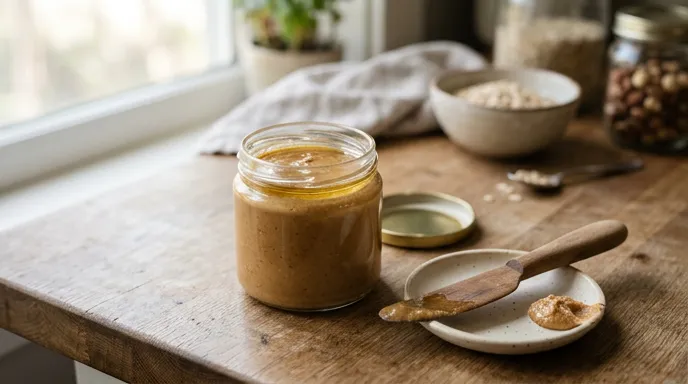
Best-by date vs expiration date
Most U.S. jars carry a best-by or best if used by date. That date is about peak quality, not a magic moment when safe food becomes poisonous overnight.
A true expiration or use-by label is less common on peanut butter but, when present, should be taken more seriously. If the jar is months past any printed date, lean on your senses and the checklist below, not the calendar alone.
How long does peanut butter last unopened?
Ranges vary by brand and formula. Use these as planning numbers, not guarantees:
| Type | Pantry (unopened, cool and dark) | Notes |
|---|---|---|
| Conventional (stabilized) | About 6 to 24 months past production, often near the printed best-by | Follow the jar label when in doubt |
| Natural (minimal ingredients) | Similar unopened window, but quality drops faster after opening | Oil separation is common |
| Powdered peanut butter | Often 1 to 2 years if kept dry | Must stay moisture-free |
| Homemade | Days to a few weeks refrigerated | No commercial preservatives |
How long does peanut butter last after opening?
After opening, air and utensils introduce oxidation and contamination risk:
- Conventional: often 2 to 3 months in the pantry; longer if refrigerated.
- Natural: often 1 to 3 months in the pantry; many brands suggest refrigeration within a few weeks for best flavor.
- Homemade: treat like a perishable; refrigerate and use quickly.
Does natural peanut butter go bad faster?
It can lose eating quality sooner because it lacks the same stabilizers as mainstream brands. That does not always mean it is unsafe on day 31. It does mean you should expect more oil separation and earlier rancid smells if the jar sits warm and open.
Does peanut butter need to be refrigerated?
Unopened conventional peanut butter is fine in a cool pantry. After opening:
| Storage | Pros | Cons |
|---|---|---|
| Pantry | Easy to spread; familiar texture | Faster rancidity, especially for natural styles in warm kitchens |
| Refrigerator | Slows oxidation; helps natural products last longer | Thicker, harder to spread until it warms up |
Refrigeration is a quality choice for many households, not a universal rule for every jar. Check the label: some brands recommend fridge storage only after opening for natural lines.
How can you tell if peanut butter is bad?
Use this checklist before you taste anything. If several boxes fail, discard the jar.
| Sign | Usually fine | Discard |
|---|---|---|
| Smell | Mild roasted peanut aroma | Sour, bitter, metallic, or paint-like odor |
| Look | Uniform tan color; oil ring on natural product | Mold, black or green specks, pink tint, dried crust with fuzz |
| Texture | Stirred natural jar; slight dryness at edges | Slime, unexpected fizzing, or widespread hard clumps that will not stir back in |
| Package | Intact seal, normal lid | Bulging lid, broken seal, rust-through, leaking |
| History | Clean dry utensils, cool storage | Water, jam, or crumbs introduced; left open for days in heat |
How do you know if peanut butter is bad?
That question is the same as the checklist above: trust smell and appearance first. Do not taste if you see mold, smell anything sharp or chemical, or know the jar was cross-contaminated.
What oil separation means in natural peanut butter
A pool of oil on top is usually normal, not spoilage. Stir it back in with a clean knife. Separation means the product lacks heavy stabilizers, not that bacteria suddenly appeared.
If the oil smells rancid on its own, or the spread underneath looks or smells off after stirring, throw the jar out.
What rancid peanut butter smells, looks, and tastes like
Rancid fats often smell like old nuts, varnish, or sour cardboard. Flavor turns bitter or flat. Eating a small amount of rancid peanut butter may cause mild stomach upset in some people, but it is not the same as food poisoning from pathogens.
Consumer and extension sources focus on quality and comfort more than dramatic illness from a single bite. Still, there is no benefit to eating spread you already know tastes wrong.
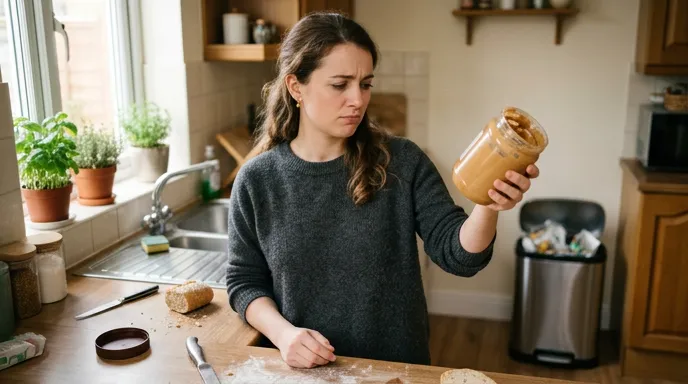
When to throw peanut butter out without tasting it
- Visible mold or unusual color patches
- Broken factory seal or bulging lid
- Strong off odor the moment you open the jar
- Known cross-contamination (double-dipped wet spoon, food debris inside)
- Homemade product left unrefrigerated too long
Can you eat peanut butter past the date on the jar?
Often yes for quality if the jar was stored well, the seal is intact, and smell, look, and texture are normal. The printed date is not a safety switch by itself.
If the jar is years past the date, stored in heat, or shows any warning sign above, discard it. Do peanut butter go bad after the best-by line? They can, but the jar tells you more than the ink.
How to store peanut butter to keep it fresh longer
- Keep unopened jars in a cool, dark pantry (ideally below about 70°F / 21°C).
- Wash and dry utensils before each dip.
- Close the lid tightly after every use.
- Consider refrigerating natural peanut butter after opening if you eat it slowly.
- Buy sizes you will finish within a few months once opened.
- For long-term preparedness, rotate stock: first in, first out, and label open dates on the lid with a marker.
Peanut butter safety mistakes to avoid
- Storing jars above the stove or in direct sun
- Leaving lids off overnight
- Spreading with a knife that touched jelly, bread crumbs, or wet food
- Assuming oil separation always means spoilage
- Treating scary blog claims about rancid fat as medical certainty
When spoiled peanut butter is a medical concern
Throw the food away and seek care if someone with a peanut allergy was exposed, or if anyone develops hives, swelling, trouble breathing, repeated vomiting, or severe abdominal pain after eating.
Pregnancy, older age, or immune compromise are extra reasons to discard questionable jars rather than test them.
FAQ
Can peanut butter spoil?
Yes. It can turn rancid from fat oxidation or become unsafe if mold, moisture, or contamination enters the jar.
Does peanut butter ever go bad?
Every jar has a limit. Unopened stabilized products last the longest; opened natural jars show quality loss sooner.
Do peanut butter go bad after the best-by date?
They can lose quality after that date, but many jars are still fine if storage was good and there are no off smells, colors, or mold.
How can you tell if peanut butter is bad?
Check smell, color, texture, seal integrity, and whether clean utensils were used. Discard at the first clear warning sign.
How do you know if peanut butter is bad?
Same checklist: rancid odor, mold, slime, or package damage mean throw it out without tasting.
Is oil separation in peanut butter a bad sign?
Usually no for natural products. Stir and sniff. Separation alone is not spoilage.
Should peanut butter be refrigerated after opening?
Recommended for many natural brands and slow-use households. Conventional jars are often fine in a cool pantry for several months if handled cleanly.
Can you eat peanut butter if it smells a little off?
No. If smell is questionable, discard the jar. Do not try to mask rancid flavor in recipes.
References
- Are You Storing Food Safely? (U.S. Food and Drug Administration)
- Food Safety and Nutrition, Go Bad or Expire? (U.S. Food and Drug Administration)
- How to Use Peanut Butter (Colorado State University Extension)
- Does Peanut Butter Go Bad? (Healthline)
- Does Peanut Butter Go Bad? (Food Network)
- Does Peanut Butter Need to Be Refrigerated? (Epicurious)
- Product Dating and Shelf Life Guidelines (The Idaho Foodbank)
- Can Peanut Butter Go Bad? (Taste of Home)
- How to Tell If Peanut Butter Is Bad (EatingWell)
- Should Peanut Butter Be Refrigerated? (Martha Stewart)