How to Finger Whistle: Step-by-Step Guide to a Loud, Clear Whistle
Finger whistling is a practical way to get a loud, piercing sound without a whistle. This guide covers one-hand and two-finger methods, fixes for air-only attempts, and safe practice habits.

A finger whistle (sometimes called a hand whistle or mouth whistle with fingers) is louder than a normal lip whistle for many people because you shape a small, focused air channel with your tongue and lips. Readers searching how to finger whistle, how to whistle loud with 2 fingers, or how to do a two finger whistle are usually after the same core skill with slightly different hand positions.
This guide explains how finger whistling works, walks through the most common two-index-finger method, covers a reliable one-hand variation, and gives a troubleshooting map when you only hear air. It also sets realistic expectations: most beginners need several short practice sessions, not a single five-minute miracle.
What is finger whistling?
Finger whistling means placing one or two fingers inside your mouth to help form a seal and a narrow gap for air to pass over your tongue. It is different from a standard pucker whistle, where no fingers touch your lips.
People use a loud finger whistle to get attention on a trail, at a sporting event, or in an open yard. It is a skill, not a medical treatment, and it is not a substitute for a proper emergency whistle, phone, or other signaling gear when stakes are high.
How finger whistling works
Three mechanics matter more than brand-name tutorials suggest:
- Lip seal: Your lips fold inward over your teeth so air cannot leak out the sides.
- Tongue ramp: The tip of your tongue sits slightly behind your fingertips, angling air toward the opening.
- Focused airflow: You blow firmly but steadily through the small gap, not with a loose puff.
Hand size changes which finger spread feels comfortable. The goal is a tight channel, not pushing your fingers as deep as possible.
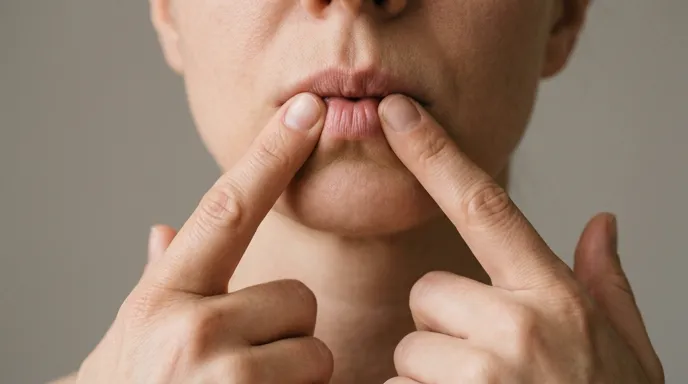
One-hand vs two-hand finger whistle
Long-tail searches such as how to whistle with your fingers one hand or whistle using two fingers refer to variants of one skill. Use this table to pick a starting point.
| Method | Hand setup | Best for | Typical difficulty |
|---|---|---|---|
| Two index fingers (V shape) | Both hands, index and middle fingers extended, tips together | Most beginners; matches “two finger whistle” searches | Moderate |
| One-hand pinky and index | Same hand: pinky and index form a small hole; thumb supports below | When you need a free hand or smaller mouth opening | Moderate to harder |
| Two pinkies | Both pinkies side by side under the tongue | Some adults with larger mouths; less common today | Harder for many people |
How to whistle with your fingers (step by step)
Follow these steps for the widely taught two-index-finger method. Mirror practice in a bathroom helps you see lip position.
- Wash your hands. You will put fingers in your mouth. Trim nails if they scrape your lip or gum.
- Make a V. Extend index and middle fingers on both hands. Touch the tips together so they form a shallow point.
- Tuck your lips. Roll your upper and lower lip inward over your teeth. Your lips should feel firm, not loose.
- Insert fingers to the first knuckle. Place the V under your tongue near the lower teeth. Do not shove fingers to the back of your throat.
- Curl the tongue slightly. Press the tongue tip upward behind your fingertips so air has a ramp to ride over.
- Close the sides. Pinch the corners of your mouth with your thumbs and index fingers of both hands if needed to stop side leaks.
- Blow steady air. Start medium force. Adjust finger angle in millimeters: tiny changes often switch silence to tone.
- Lock the shape and repeat. When you hear a faint whistle, freeze that lip and tongue shape and practice the same blow ten times.
How to whistle loud with 2 fingers
Volume comes from seal quality and airflow, not from blowing as hard as possible on day one.
- Tighten the lip ring: If air hisses at the corners, your whistle stays weak. Re-tuck lips before adding force.
- Angle the V: Tilt the fingertips slightly up or down until you feel vibration on your lower lip.
- Use diaphragm breath: Support the blow from your belly, not just your cheeks, once the basic tone appears.
- Practice short bursts: Ten clean five-second tries beat one minute of straining, which can irritate your mouth.
How to do a loud whistle with your fingers (one-hand version)
For how to whistle with your fingers one hand, try this compact setup:
- Touch the tip of your pinky to the tip of your index finger on the same hand, forming a small circle or teardrop opening.
- Place your thumb under your jaw to steady the hand.
- Tuck lips over teeth, insert the finger circle just inside the lower lip, and curl the tongue behind the opening as in the two-hand method.
- Blow with steady pressure. One-hand whistles often take longer to learn but are handy when your other hand is occupied.
Troubleshooting: why you only hear air
If your finger whistle is silent or only airy, use this map before you switch methods.
| What you hear or feel | Likely cause | What to try |
|---|---|---|
| Only air, no tone | Side leaks at mouth corners; tongue too flat | Pinch corners; raise tongue tip slightly behind fingers |
| Weak squeak then nothing | Inconsistent lip tuck; fingers too deep or shallow | Reset lip tuck; move fingers one knuckle shallower |
| Wet splatter sound | Too much saliva; loose lower lip | Swallow, dry lips lightly, re-form seal |
| Sharp lip or gum pain | Nails, excessive pressure, or practicing through irritation | Stop for the day; file nails; use gentler blow |
| Gagging | Fingers too far back | Keep fingertips near front teeth only |
How to make your finger whistle louder (without hurting yourself)
Once you have a reliable tone at medium volume, increase loudness in small steps:
- Confirm corners are sealed before you add power.
- Increase airflow by five to ten percent per attempt, not double force in one blow.
- Keep sessions under five minutes when learning; soreness means stop.
There is no universal “loudest whistle with fingers” record for every body. Genetics, mouth shape, and practice time all change results.
How to practice safely
Finger whistling is low risk when you treat your mouth gently. Basic habits:
- Wash hands before practice and avoid sharing technique demos mouth-to-mouth.
- Stop if you see bleeding, swelling, or pain that lasts after you rest.
- Stay hydrated; dry lips crack more easily when you tuck them repeatedly.
- Take a day off if the inside of your lip feels raw.
| Situation | Home care | Seek care when |
|---|---|---|
| Small lip or tongue scrape | Rinse with clean water; cold compress if swollen | Bleeding will not stop, deep cut, fever, trouble breathing or swallowing |
| Soreness after practice | Rest 24 to 48 hours; softer blows next session | Pain worsens over days or you cannot eat normally |
| Child trying to learn | Supervise; shorter tries; emphasize gentle pressure | Any mouth injury signs per pediatric guidance |
How long it takes to learn
Many tutorials promise a whistle in five minutes. That happens for some people, but it is not typical. Plan for three to ten short sessions spread over a week if you are starting from zero. Others may need longer, especially for one-hand variants.
Track progress by whether you can produce the same faint tone three times in a row, not by maximum volume on day one.
Common mistakes beginners make
- Blowing too hard too soon before the seal is set.
- Leaving lips loose instead of tucked over teeth.
- Changing all variables at once (finger depth, tongue angle, and force in one try).
- Assuming regular whistling is required first. It can help, but some learners succeed with finger whistling alone.
- Practicing in quiet shame. Soft tones are progress; repeat them.
Braces, sensitive mouth, and when to skip practice
Brackets, fresh dental work, canker sores, or a split lip are good reasons to pause. The pressure and lip tuck can rub hardware or reopen healing tissue. Ask your dental provider if you are unsure after an adjustment.
Young children often lack the coordination for a safe seal and may bite their fingers. Wait until they can follow gentle-stop rules without frustration.
When not to try finger whistling
- During acute mouth injuries, oral infections, or immediately after oral surgery unless cleared by a clinician.
- When you feel dizzy from hyperventilating during repeated hard blowing.
- As a joke directed at someone’s ear at close range (hearing discomfort is real).
First-aid guidance for seizures stresses not putting objects, including fingers, into another person’s mouth. That rule is unrelated to learning your own whistle, but it is worth knowing if you teach groups.
Outdoor and emergency uses (realistic limits)
A loud finger whistle can help you locate friends in a park or signal “over here” across a field. In wind, trees, or traffic, sound carries less predictably than a bright whistle or visual signal.
For backpacking or disaster kits, carry a dedicated emergency whistle on your pack or keychain. Finger whistling is a useful backup skill, not your only plan.
FAQ
How do you whistle with your fingers?
Tuck your lips over your teeth, place two index fingers in a V under your tongue, curl the tongue slightly behind the fingertips, seal the mouth corners, and blow steady air through the gap. Adjust finger angle in tiny steps until a tone appears.
How do I whistle loud with my fingers?
Get a consistent tone at medium volume first, then improve lip seal and use supported breath from your diaphragm. Avoid maximum force until the shape is repeatable.
How to do a two finger whistle?
“Two finger” usually means two index fingers (one from each hand) touching at the tips in a V. Some people use index and middle on one hand; the same seal and tongue rules apply.
How to whistle with your fingers easy?
Start with the two-index method in front of a mirror, five attempts per session. Fix air leaks before you chase volume.
How to whistle through your fingers?
Air travels over your tongue and out the small opening at your lips, not through your fingers like a pipe. Fingers only shape the chamber.
Why is my finger whistle just air?
Usually corner leaks, a flat tongue, or lips not tucked over teeth. See the troubleshooting table above.
How can I make my finger whistle louder?
Improve the seal, then add modest airflow. Practice the same shape daily rather than forcing one heroic blow.
Is finger whistling bad for your mouth?
Gentle practice is fine for most healthy adults. Pain, bleeding, or lasting soreness means stop and use standard mouth-injury first-aid guidance. See a clinician if symptoms do not improve.
References
- Mouth and tongue cuts (healthdirect Australia)
- Cuts and Wounds of the Mouth and Lips (Nationwide Children's Hospital)
- Mouth Injury (American Red Cross)
- First aid (NHS)
- Tongue Injury: Care Instructions (My Health Alberta)
- Mouth Injury (Seattle Children's)
- No, You Can't Swallow Your Tongue (McGill University)
- White tongue - When to see a doctor (Mayo Clinic)
- Can you swallow your tongue? First aid for seizures and more (Medical News Today)
- First Aid for Bites or Cuts to a Child's Tongue or Lip (HealthyChildren.org, AAP)