How to Survive an EMP: What Works, What Doesn't, and What to Do Now
An EMP can damage grids and sensitive electronics, but you can plan ahead. Learn what survives, how batteries and solar gear behave, and what to do in the first day after a pulse or severe solar storm.

Important: This article is general preparedness information, not engineering or medical advice. For life-sustaining medical devices, grounding work, or generator installation, consult licensed professionals. After any major disaster, follow local emergency officials.
Searching for how to survive an EMP usually means you want straight answers: what breaks, what might still work, and what to do before and after the lights go out. An electromagnetic pulse (EMP) is a burst of energy that can induce damaging currents in wires and electronics. Sources include high-altitude nuclear detonations (HEMP), severe solar storms (coronal mass ejections, or CMEs), and specialized non-nuclear weapons. Effects range from localized equipment damage to wide-area grid stress, depending on the event.
This guide goes beyond a simple survivability list. You will see how EMP couples into circuits, which batteries and solar components are vulnerable, why unplugging is not a guarantee, and how to prioritize the first 24 hours using the same food, water, and power-outage habits that already matter in hurricanes and blackouts.
What Is an EMP? Understanding HEMP, Solar CME, and Non-Nuclear Pulses
An EMP is not one single phenomenon. HEMP from a high-altitude nuclear burst can produce a fast E1 pulse, a slower E2 component, and a longer E3 component that resembles geomagnetic storm effects on power lines. A severe solar CME mainly threatens long conductors such as transmission lines and transformers, while small household devices may see less direct damage than the grid itself. Non-nuclear EMP devices are designed for tactical targets at shorter range.
For household planning, the practical split is simple: grid and infrastructure risk (common in large CME scenarios) versus local electronics risk (more discussed for HEMP and close-range sources). Your plan should cover both extended blackout logistics and protecting a small set of critical backups.
What Does an EMP Do to Electronics? The Physics of Induced Current and Semiconductor Damage
EMP energy does not need a plug to find your gear. Long cables, antenna leads, and metal paths act as antennas. The pulse induces voltage and current that can exceed what transistors, capacitors, and integrated circuits tolerate. Damage often shows up as failed power supplies, dead control boards, or corrupted storage on connected devices.
Consumer surge protectors are built for slower utility transients, not nanosecond rise-time pulses. Do not treat a power strip as EMP protection. Meaningful protection for small items means shielding (Faraday enclosure), distance, or hardened equipment designed and tested for the threat.
Will an EMP Destroy Batteries? Lead-Acid, Lithium, and Alkaline Compared
Plain chemistry often survives better than smart packs. Flooded lead-acid, AGM, and alkaline cells are generally more tolerant because they lack complex battery management electronics. A lithium-ion power bank or tool battery, by contrast, includes a battery management system (BMS) that can fail even when the cells themselves are fine.
Disconnecting batteries from devices reduces coupled energy but is not a fail-safe. Stored spares you rely on after an event should live in tested shielding when possible, especially for radios, medical backups, and communication gear.
Would Solar Panels Survive an EMP? Panels, Inverters, and Charge Controllers Explained
Photovoltaic modules themselves are often relatively robust: no delicate logic on the glass surface, mostly passive semiconductors. The weak links are inverters, charge controllers, optimizers, rapid shutdown boxes, and grid-tied switchgear, all packed with electronics. A grid-tied system may leave you with intact panels but a dead inverter, which means no usable AC power until replacement.
Off-grid setups still depend on controllers and wiring paths that can couple energy. Treat solar as a system: protect spare controllers or small inverters in shielding, keep analog backup lighting, and plan manual charging paths if you maintain a modest 12 V bank.
Will an EMP Destroy Electronics That Are Unplugged? Why Disconnecting Is Not Enough
Yes, unplugged equipment can still be damaged. Energy can couple through nearby wiring, metal framing, antennas, and even thin gaps in poor shielding. Unplugging helps reduce one pathway; it does not make a laptop on a shelf automatically safe. Store irreplaceable backups (radio, spare phone, USB drives with documents) inside a continuous metal enclosure with minimal holes.
How to Build a Tested Faraday Cage That Actually Works
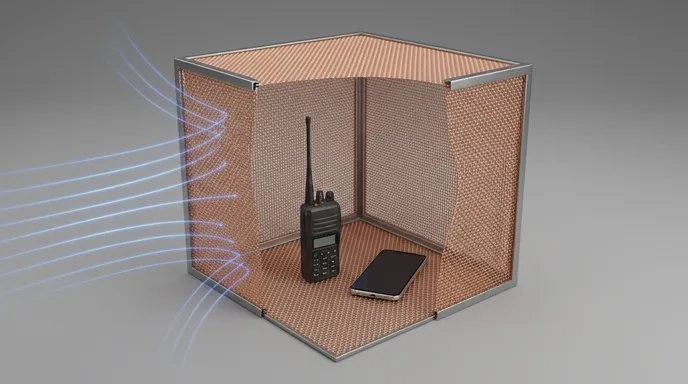
A workable Faraday cage is continuous conductive material around the item, with gaps small compared to the wavelengths you care about. Practical home builds use metal ammo cans, galvanized trash cans with overlapping lid contact, or dedicated mesh bags. Line with non-conductive padding so devices do not touch the shell directly if that could short contacts.
- Seal gaps: Tape seams, use conductive gasket material, or bury lid overlap under foil tape for cans.
- Keep holes tiny: Large openings defeat shielding. USB passthrough ports marketed online vary in quality; prefer storing devices fully inside.
- Grounding: For storage, grounding is debated; follow reputable hardening guides. Do not improvise grounds that create new hazards indoors.
- Test: Place a phone inside (powered on). Close the lid. Call it. Weak or no signal suggests useful shielding for many consumer frequencies.
Label the can with contents and check annually. A untested cage is hope, not a plan.
Immediate Actions After an EMP Attack: First 24 Hours Checklist
If you suspect a major electromagnetic event or simultaneous grid collapse, treat the first day as a blackout plus uncertainty scenario:
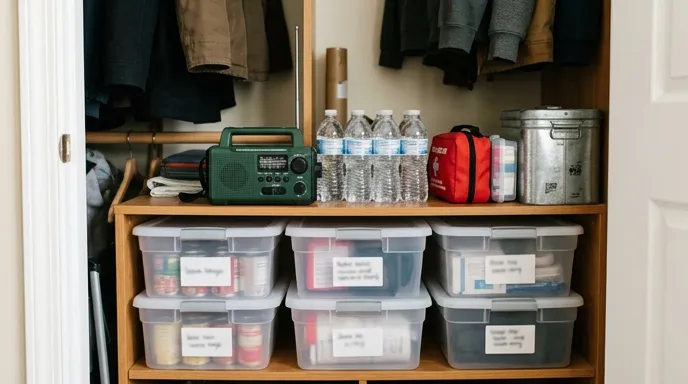
- Stay informed: Turn on battery AM/FM or NOAA weather radio. Avoid draining phones on dead towers.
- Shelter and safety: Check for fires, gas odors, or injuries. Shut off utilities only if trained and conditions require it.
- Assume grid damage: Do not expect immediate restoration. Conserve cooled food by keeping refrigerator doors closed.
- Light and power: Use flashlights, not candles unattended. Run generators only outdoors, far from windows.
- Water and food: Drink stored water; boil if boil notices apply. Follow discard rules before eating questionable perishables.
- Neighbors and officials: Listen for local instructions. Avoid unnecessary travel while signals and traffic systems may be down.

Do EMPs Affect Batteries? Separating Fact From Myth
Social posts often swing between "all batteries die" and "nothing happens." Reality sits in the middle: simple cells usually keep charge, while packs with electronics may not discharge safely afterward. Test stored spares after any suspected event before betting your communication plan on them. Rotate alkalines on a normal schedule so backups are fresh.
Vehicle Survivability After an EMP: Which Cars Might Start
Vehicle outcomes are mixed. Older vehicles with minimal electronics sometimes fare better in anecdotal testing, while modern cars depend on engine control units, sensors, and immobilizers. Military and government hardening programs exist, but consumer models are not uniform. Do not assume your daily driver will start. Plan to shelter in place, walk, or use a simple bicycle. Keep paper maps and cash for fuel if pumps later work.
EMP vs Solar Storm (CME): Key Differences for Preparedness
| Factor | HEMP (nuclear high-altitude) | Severe solar CME / geomagnetic storm |
|---|---|---|
| Typical warning | Little to none for the public | Hours to days from space-weather monitoring |
| Primary damage focus | Electronics via E1/E2; grid via E3 | Grid transformers and long transmission paths |
| Household electronics | Higher concern for coupled damage | Often secondary to grid failure |
| Best public data source | Federal EMP reports, energy department briefings | NOAA Space Weather Prediction Center, NASA sun science pages |
Preparedness overlaps: both scenarios benefit from water, food, light, radio, medical supplies, and patience with slow infrastructure recovery.
Common EMP Prep Mistakes That Could Cost You
- Assuming unplugged equals safe without shielding.
- Buying unverified "EMP-proof" bags with no test.
- Ignoring carbon monoxide risks from indoor generators.
- Storing only digital documents with no paper copies.
- Forgetting that grid-tied solar may not power your home when the grid is down without special switching.
- Chasing exotic gear before covering 72-hour basics you already need for storms.
Food Safety During Extended Power Outage: When to Throw It Out
EMP aftermath often means refrigerators without power. Use time-and-temperature rules from public health agencies: a closed refrigerator may keep food at safe temperatures for about four hours; a full freezer may hold for about 48 hours if doors stay closed (shorter if half full or in hot rooms). When in doubt, discard perishable meat, dairy, and prepared foods rather than risk foodborne illness.
Medical Devices and EMP: What Could Fail and How to Prepare
Insulin pumps, CPAP machines, powered wheelchairs, and home oxygen concentrators depend on electronics and reliable power. Talk with clinicians about manual backup plans, spare supplies, and whether shielded storage for spare controllers is appropriate. Register for utility medical baseline programs where available. A hand-crank or battery radio does not replace ventilator planning.
FEMA and CISA Guidance on Extreme Geomagnetic Storms
Federal agencies treat severe space weather as a resilience problem for critical infrastructure. Department of Homeland Security materials discuss electromagnetic pulse shielding mitigations for owners of essential systems. For households, the actionable overlap is familiar: emergency kits, communication plans, outage-ready food and water, and heeding official alerts when NOAA forecasts major geomagnetic activity.
How Much Does EMP Preparedness Cost? Realistic Budget Breakdown
You do not need a bunker budget. A phased approach spreads cost:
| Tier | Approximate focus | Example items |
|---|---|---|
| Starter ($50–$150) | Outage basics | Flashlights, batteries, manual radio, first aid, printed contacts |
| Core ($150–$400) | Communication and copies | Quality AM/FM/NOAA radio, spare power banks in shielded can, document pouch |
| Advanced ($400+) | Power resilience | Outdoor-rated generator with transfer switch installed by electrician, small 12 V solar maintainer, extra medical backups |
Historical EMP Commission reports describe long grid recovery scenarios; treat those as planning extremes, not predictions. Regional repair speed will vary with damage type and workforce availability.
When to Seek Professional Help
Call emergency services for injuries, fire, gas leaks, or downed power lines. Contact licensed electricians before modifying home wiring, transfer switches, or grounding. For medical device failures or medication storage concerns after temperature abuse, contact your care team or pharmacist. Mental health support matters after frightening events; use crisis lines if stress becomes overwhelming.
References
- U.S. Department of Energy: Understanding Risks Associated with Electromagnetic Pulses
- National Weather Service: Prepare for Space Weather
- CDC: Power Sources During Outages
- CDC: Keep Food Safe After an Emergency
- NOAA Space Weather Prediction Center: Coronal Mass Ejections
- NASA Science: Solar Storms and Flares
- Defense One: DHS EMP Shielding Mitigations for Critical Infrastructure
- Johns Hopkins APL: Space Weather Tabletop Exercise Summary (2025)
- FERC: Staff Reports and Papers
- EMP Commission Report (2008, use critically)