Shelf Life of Antibiotics Amoxicillin: Expiration Dates, Liquid Rules, and Safety
What expiration dates on amoxicillin and Augmentin really mean, why liquid antibiotics have short discard windows, and when expired antibiotics are unsafe to use.

Medical disclaimer: This article is general health information, not medical advice. It does not replace your pharmacist, prescriber, or emergency care. Do not use expired antibiotics to treat a serious infection without professional guidance.
If you are searching for the shelf life of antibiotics amoxicillin, you probably have a bottle in the cabinet and a date that has passed. Maybe it is solid capsules from last winter, or pink liquid your child did not finish. The honest short answer: manufacturers and the FDA set expiration dates for a reason, and you should not rely on expired antibiotics for treatment. The longer answer depends on the form (capsule, tablet, or liquid), how it was stored, and whether you are treating a mild question or a infection that needs prompt care.
This guide explains what expiration dates mean, how long amoxicillin and Augmentin are labeled to last, why liquid forms expire quickly, and what risks come with outdated medicine. It is written for everyday households, not as prepper advice to stretch old stockpiles.
What Expiration Dates on Antibiotics Mean
An expiration date on a prescription or over-the-counter drug is the last date the manufacturer guarantees full potency and safety when the product is stored exactly as the label says. That date comes from stability testing: how the drug holds up in heat, humidity, and light over time.
Important distinctions:
- Manufacturer expiration is printed on the stock bottle at the pharmacy.
- Dispense date is when your pharmacy filled the prescription. Your label may show a discard-after date that is sooner, especially for liquids.
- Beyond-use date for reconstituted suspensions is often 7 to 14 days after mixing, even if the dry powder had years left on the manufacturer label.
The U.S. Food and Drug Administration (FDA) states that expired medicines should not be used because there is no guarantee they will work as intended. That is different from guessing whether a pill "might still be fine."
Does Amoxicillin Expire?
Yes. Amoxicillin, like all antibiotics, has a labeled shelf life. Solid forms (capsules and tablets) are stable longer on the shelf than liquids, but once the expiration date has passed, the product is considered expired. Potency can drop, and you cannot tell by look or smell alone whether the dose you take will treat your infection.
Do antibiotics really expire? Patients ask because pills often look unchanged. Chemical breakdown and moisture uptake can happen without obvious mold. That is why date rules exist instead of a visual check.
How Long Is Amoxicillin Good For in Capsules and Tablets?
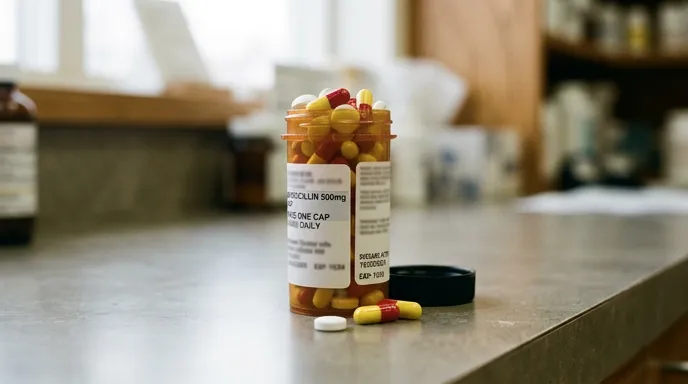
Unopened amoxicillin capsules and tablets typically carry a manufacturer expiration date one to three years from production when stored at room temperature as directed. Your pharmacy label is the document you should follow for the specific lot you were given.
Factors that shorten real-world shelf life:
- Heat above room temperature (glove box, shed, car)
- Humidity in a bathroom cabinet
- Broken safety seals or damaged blister packs
- Transferring pills to a non-child-resistant container without label info
Can amoxicillin expire sooner than the printed date? If storage was poor or the container was opened and exposed to moisture, yes. When in doubt, ask a pharmacist rather than taking a partial course from an old bottle.
Does Liquid Amoxicillin Expire?
Yes, and liquid amoxicillin has two clocks.
- Before mixing: Dry powder for oral suspension has a manufacturer expiration on the kit.
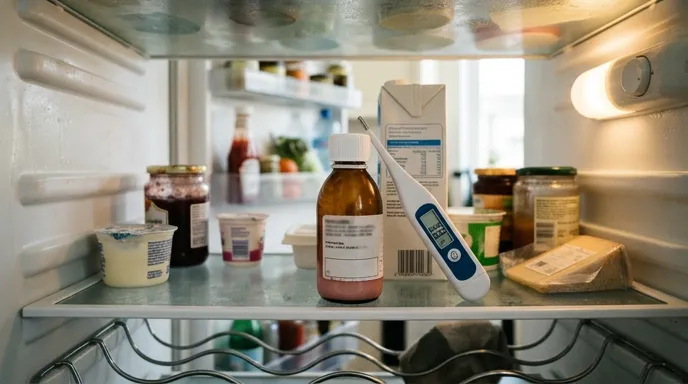
- After mixing (reconstitution): FDA-approved labeling for amoxicillin oral suspension directs discarding the mixed liquid after 14 days, with refrigeration required unless the specific label says otherwise.
So even if the powder was not near its printed expiration, the liquid you give a child can be unsafe or ineffective after the discard window. Always use the discard date on your pharmacy label.
Why Does Liquid Amoxicillin Expire in 14 Days?
Once water is added, the suspension is a friendly environment for bacteria and chemical change. The antibiotic can degrade faster in liquid than in a dry capsule. The 14-day rule on standard amoxicillin labels is there so potency stays predictable and microbial growth in the bottle is less likely.
Does liquid amoxicillin go bad if not refrigerated? Usually yes, sooner than labeled. Most reconstituted suspensions must be kept refrigerated. Leaving a bottle on the counter overnight can speed breakdown. If refrigeration was missed, call your pharmacy for product-specific guidance instead of guessing.
Does Augmentin Expire, and How Long Does Augmentin Last After Mixing?
Augmentin (amoxicillin plus clavulanate) also expires. Tablets and extended-release forms follow manufacturer dating on the label. Augmentin oral suspension is stricter after mixing: FDA labeling has commonly directed use within about 10 days after reconstitution when refrigerated, which is shorter than many plain amoxicillin liquids.
Does augmentin go bad? Yes. The clavulanate component is especially sensitive to moisture and heat. Treat Augmentin suspension like a perishable food with a pharmacy discard date, not a long-term pantry item.
| Product form | Room-temp shelf life (unopened solids) | After opening or mixing |
|---|---|---|
| Amoxicillin capsules/tablets | Until manufacturer or dispense expiration if stored dry, cool, and sealed | Use as prescribed; do not keep partial courses for later self-treatment |
| Amoxicillin oral suspension (mixed) | N/A once liquid | Often discard after 14 days refrigerated per FDA labeling |
| Augmentin tablets | Until labeled expiration with proper storage | Do not use expired tablets |
| Augmentin oral suspension (mixed) | N/A once liquid | Often discard after about 10 days refrigerated per product label |
Can Expired Antibiotics Still Work?
Some expired drugs retain partial potency for a time, but you cannot know how much is left in your bottle. Government shelf-life extension programs studied select stockpiled lots under controlled conditions. Those results do not mean your bathroom-cabinet amoxicillin from 2019 is a reliable dose today.
Will expired antibiotics work? Sometimes partially, sometimes not at all. The practical risk is treatment failure: you think you treated strep, a dental infection, or pneumonia, but the drug was too weak. That can delay recovery and contribute to complications.
Will out-of-date antibiotics work for a prepper stash? Public health guidance still says no for routine use. Variable heat, humidity, and unknown storage history make home stockpiles unlike tested government lots.
Are Expired Antibiotics Safe to Take?
They are not considered safe to rely on. Serious toxicity from expired antibiotics is less common than loss of potency, but degraded products and contaminated liquids are real concerns. Penicillin-class drugs can cause allergic reactions whether fresh or old; an expired pill does not remove that risk.
Is expired amoxicillin safe? FDA guidance is clear: do not use expired medicines. Can you take expired amoxicillin? Only if a clinician or pharmacist has reviewed your specific product, indication, and risks, which is uncommon for lay storage at home.
Is expired penicillin harmful? The main documented harm is failing to treat the infection, plus allergy and interaction issues that apply to any penicillin. Liquid forms add spoilage risk.
What Happens If You Take Expired Amoxicillin?
Possible outcomes include:
- No improvement because the dose was sub-potent
- Partial improvement that stalls, encouraging you to stop too early
- Side effects such as diarrhea or rash, similar to non-expired use
- Resistance pressure if low doses kill some bacteria but not enough of the population
What happens if you take expired liquid amoxicillin? Higher concern. Cloudiness, odor, or separation can signal spoilage. Even without visible change, an outdated suspension may be under-strength or contaminated. Discard per label and get a new prescription if treatment is still needed.
Expired amoxicillin side effects are not a separate catalog from fresh drug side effects, but you add the unknown of potency. Call your clinician if symptoms worsen or allergic signs appear (hives, swelling, trouble breathing).
How Storage Affects Antibiotic Shelf Life
Read the patient leaflet that came with your prescription. General rules:
- Store solids in a cool, dry place unless the label says refrigerate.
- Keep liquids refrigerated after mixing when directed.
- Do not freeze antibiotics unless specifically instructed.
- Keep original containers so expiration and discard dates stay visible.
- Keep medicines away from children and pets.
Amoxicillin expired 2 months ago that sat in a hot garage is a different risk picture than one kept in a climate-controlled bedroom drawer, but both are still expired by definition and should not be used without professional input.
Signs Antibiotics Should Be Discarded
- Past expiration or discard-after date on the label
- Missing label, unknown storage history, or pills removed from original packaging
- Cracked capsules, powder smell, discoloration, or tablets that crumble
- Liquid that is clumpy, separated, or smells off
- Leftover partial course from a prior illness (you should not self-restart without a prescription)
Antibiotics use by date on the bottle is not a suggestion. It is the end of the period the product is guaranteed to perform as labeled.
Can Old Antibiotics Hurt You?
Yes, mainly by not treating the infection well enough. The Centers for Disease Control and Prevention (CDC) warns that misusing antibiotics, including not completing the right drug at the right dose, fuels resistance. Taking old amoxicillin for a new illness without diagnosis can also delay the correct antibiotic or non-drug care.
Can expired antibiotics hurt you? Direct poisoning from expired penicillins is uncommon, but harm from untreated infection is not. Immunocompromised adults, older adults, pregnant people, and young children face higher stakes when a drug might be weak.
When to Call a Pharmacist or Doctor
Contact a pharmacist when:
- You are unsure whether your bottle is still within its discard window
- Refrigeration was interrupted on a liquid
- You need a replacement fill and want to confirm storage
Contact a clinician promptly when:
- Fever, spreading redness, severe pain, breathing trouble, or confusion
- Symptoms worsen after starting any antibiotic course
- You have penicillin allergy history and are considering any penicillin-class drug
- You are pregnant, breastfeeding, or take blood thinners, methotrexate, or other interacting medicines
When to seek emergency care: trouble breathing, throat swelling, fainting, seizure, or signs of severe allergic reaction after any dose.
How to Dispose of Expired or Leftover Antibiotics
Do not flush medicines unless the label or FDA flush list specifically directs it. Preferred options:
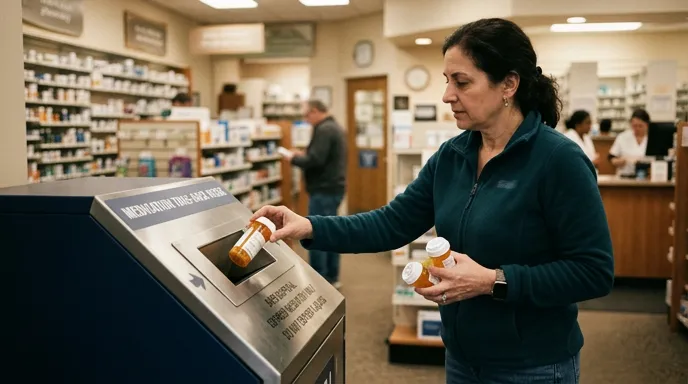
- Drug take-back events or pharmacy kiosks
- FDA-recommended household disposal only when take-back is unavailable (mix with unappealing substance, seal, trash per local rules)
Never share antibiotics with family members. A drug saved for "next time" is the wrong drug, dose, or duration more often than people expect.
Frequently Asked Questions
Do antibiotics expire?
Yes. Every antibiotic has a labeled expiration or discard date. After that date, potency and safety are not guaranteed.
Can I take expired amoxicillin?
FDA guidance says not to use expired medicines. If you still need treatment, contact your prescriber or pharmacy for a new evaluation and prescription.
Does amoxicillin go bad?
It can lose potency or spoil, especially in liquid form or after poor storage. Follow the dates on your specific label.
Does liquid amoxicillin expire?
Yes. Mixed liquid usually must be discarded within about 14 days when refrigerated, per standard labeling. Your pharmacy label is authoritative.
Does Augmentin expire?
Yes. Tablets expire per manufacturer dating. Mixed Augmentin suspension typically has a shorter discard window than many plain amoxicillin liquids.
How long is amoxicillin good for?
Solid forms may be labeled for one to three years unopened if stored properly. Liquids are good only until the discard-after date, often 14 days after mixing.
What happens if you take expired antibiotics?
You may get inadequate treatment, prolonged illness, or side effects. Liquid antibiotics carry extra spoilage risk. Seek medical advice if you took an expired dose and feel unwell.
Is expired amoxicillin safe?
It is not considered safe to rely on for treatment. The safer path is a new medical assessment and a fresh prescription when antibiotics are truly needed.
References
- Expiration Dates - Questions and Answers | FDA
- Don't Be Tempted to Use Expired Medicines | FDA
- Antibiotic Do's and Don'ts | CDC
- Tips for Safe Storage and Disposal of Prescription Medicine | CDC
- AMOXIL (amoxicillin) FDA Package Insert
- AMOXICILLIN | DailyMed
- AUGMENTIN FDA Package Insert
- Stability profiles of drug products extended beyond labeled expiration dates | PubMed
- Efficacy of Expired Antibiotics: A Real Debate | NIH PMC
- Expired Medications: Dangerous or Just Less Effective? | University Hospitals